Introduction
Severe tooth pain is often a sign that something deeper is happening inside the tooth. One of the most common causes is infection or inflammation of the inner tooth structure, which may require root canal treatment. While the term “root canal” can sound intimidating, the procedure is actually designed to relieve pain, eliminate infection, and preserve the natural tooth.
At Belgrave Family Dental in Huntington Park, root canal treatment is focused on saving teeth whenever possible and preventing the need for extraction. Modern techniques have made the procedure highly predictable, comfortable, and effective for long-term oral health.
Understanding what a root canal involves and why it becomes necessary can help patients seek treatment earlier and avoid more serious complications.
What Is a Root Canal?
Inside every tooth is a soft tissue called the pulp. This pulp contains nerves, blood vessels, and connective tissue that help support the tooth during development. When the pulp becomes infected or inflamed, it can cause significant pain and sensitivity.
A root canal treatment removes the infected or damaged pulp from inside the tooth, cleans the internal space, and seals it to prevent further infection. The goal is to preserve the outer structure of the tooth while eliminating the source of pain.
Without treatment, infection inside the tooth can worsen and eventually lead to tooth loss or spread to surrounding tissues.
Common Causes of Tooth Infection
Root canal treatment is usually needed when bacteria reach the inner layers of the tooth. This can happen in several ways:
- Deep cavities that are left untreated
- Cracks or fractures in the tooth enamel
- Repeated dental work on the same tooth
- Trauma or injury to the tooth
- Advanced decay that reaches the nerve
Once bacteria enter the pulp, the infection cannot heal on its own and requires professional treatment.
Signs You May Need Root Canal Treatment
Symptoms can vary depending on the severity of the infection, but common warning signs include:
- Persistent or severe tooth pain
- Sensitivity to hot or cold that lingers after the source is removed
- Swelling or tenderness in the gums near the affected tooth
- Discolouration or darkening of the tooth
- Pain when chewing or applying pressure
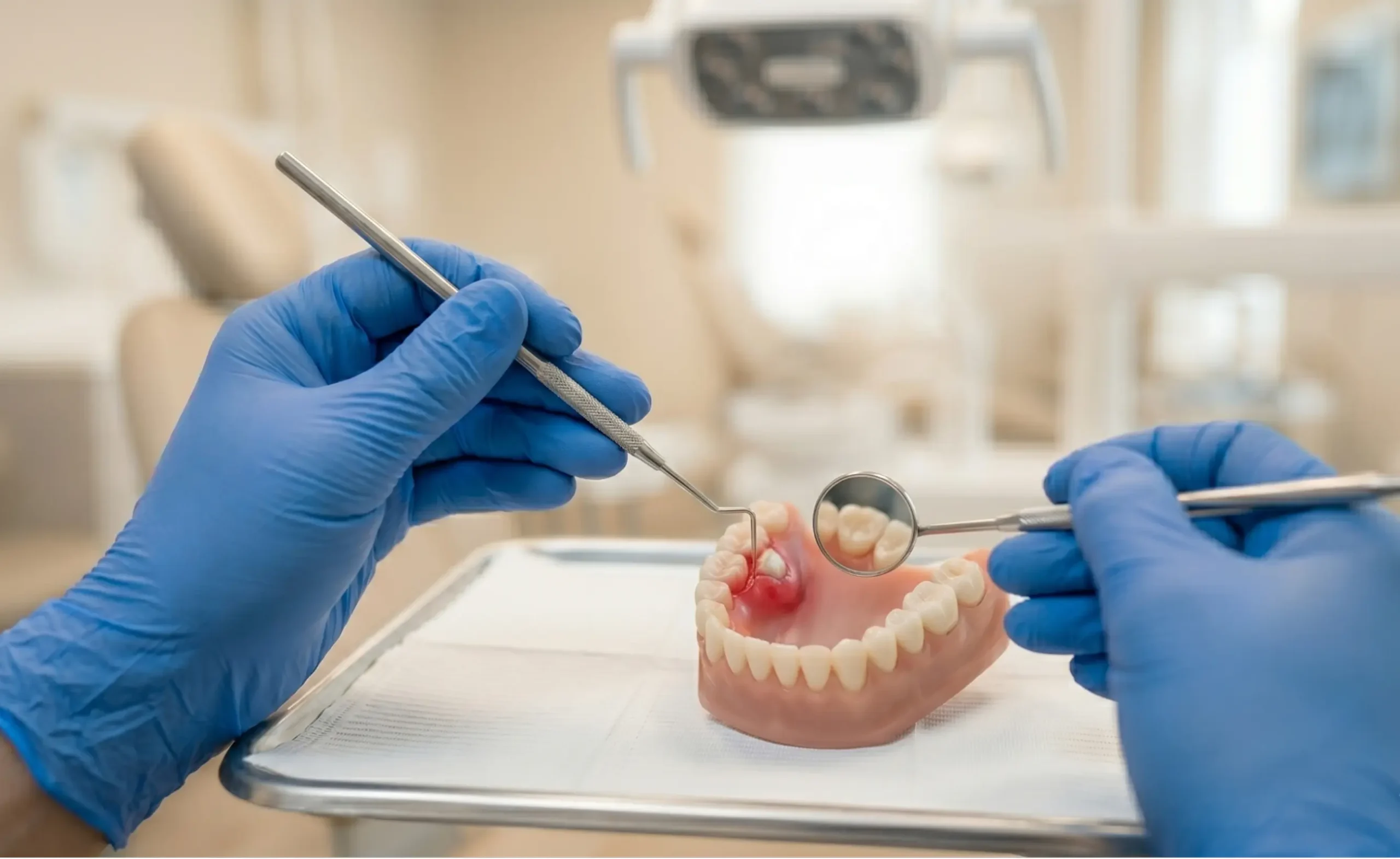
- A pimple-like bump on the gums in some cases
It is important to note that some infections may not cause severe pain initially, which is why routine dental checkups are essential for early detection.
Why Prompt Treatment Is Important
Delaying treatment for an infected tooth can lead to serious consequences. As the infection progresses, it can spread beyond the tooth and affect surrounding bone and tissues.
Without timely care, risks include:
- Increased and more severe pain
- Formation of a dental abscess
- Bone loss around the tooth root
- Spread of infection to nearby teeth
- Eventual tooth loss requiring extraction
Early intervention not only saves the tooth but also reduces treatment complexity and recovery time.
What Happens During Root Canal Treatment
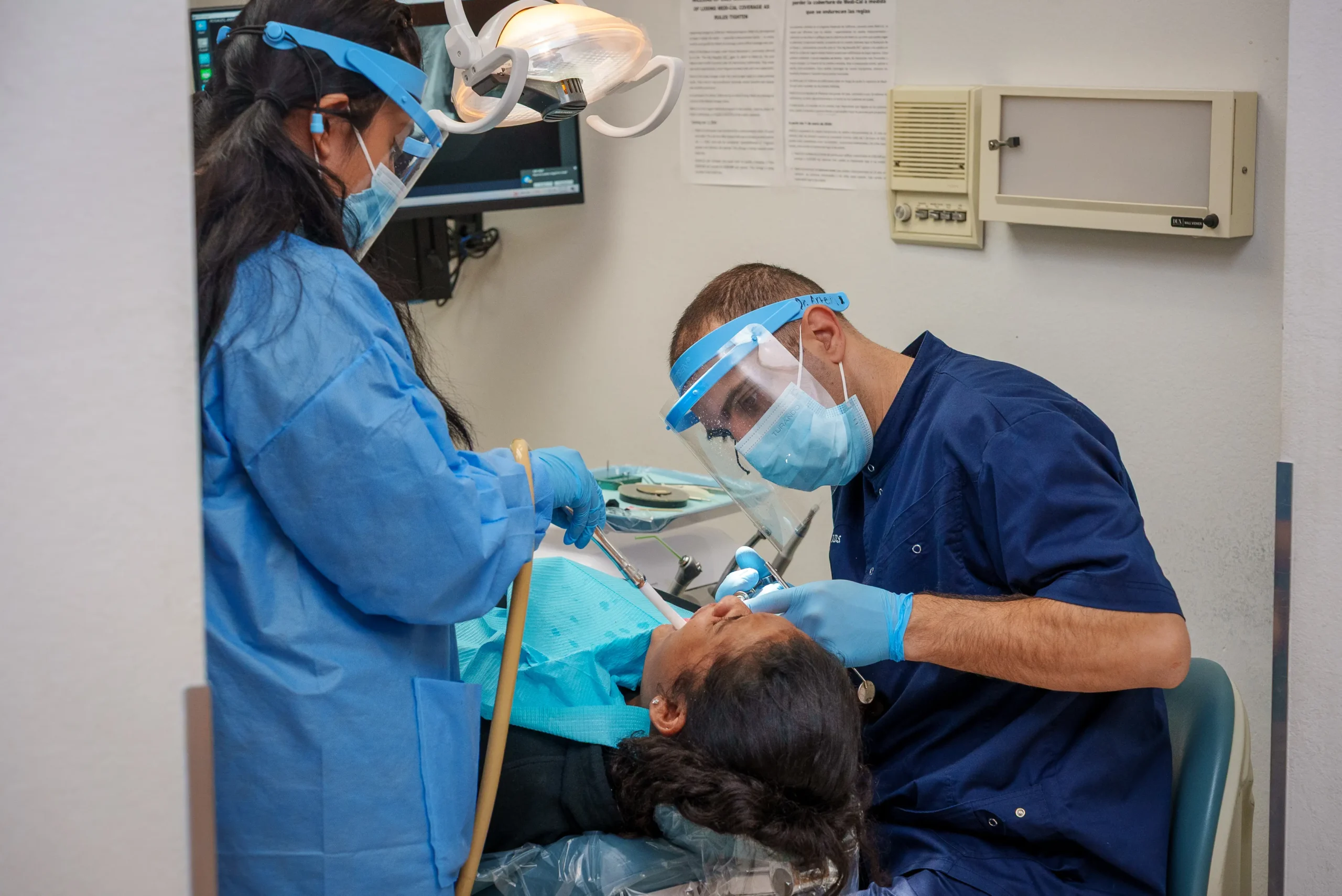
Root canal therapy is performed in a structured and controlled way to ensure comfort and effectiveness. The procedure typically includes the following steps:
- The tooth and surrounding area are numbed using local anaesthetic
- An opening is made in the tooth to access the infected pulp
- The infected tissue is carefully removed from inside the canals
- The internal space is cleaned and disinfected thoroughly
- The canals are filled and sealed to prevent reinfection
- The tooth is restored with a filling or crown if necessary
The entire process is designed to preserve the natural tooth while eliminating infection at its source.
Is Root Canal Treatment Painful?
One of the most common misconceptions is that root canal treatment is painful. In reality, the procedure is performed under local anaesthetic, meaning the tooth is fully numbed during treatment.
Most patients experience relief rather than pain because the infected tissue causing discomfort is removed. Any post-treatment sensitivity is usually mild and temporary.
Modern dental techniques have made root canal treatment similar in comfort to receiving a standard filling.
Recovery After Treatment
Recovery after a root canal is typically straightforward. Most patients return to normal daily activities shortly after treatment.
Common post-treatment experiences include:
- Mild tenderness in the treated area
- Temporary sensitivity when chewing
- Gradual improvement over a few days
Dentists may recommend avoiding chewing on the treated tooth until it is fully restored. In many cases, a crown is placed afterward to strengthen and protect the tooth.
Benefits of Root Canal Treatment
Root canal therapy offers several important advantages for long-term oral health:
- Preserves the natural tooth structure
- Eliminates infection and relieves pain
- Restores normal chewing and biting function
- Prevents spread of infection to surrounding areas
- Avoids the need for extraction and replacement
Keeping the natural tooth is almost always the preferred outcome because it helps maintain jaw stability and alignment.
How to Prevent Future Infections
While not all infections can be prevented, good oral hygiene and regular dental care significantly reduce the risk.
Preventive steps include:
- Brushing twice daily with fluoride toothpaste
- Flossing once daily
- Attending regular dental checkups
- Treating cavities early before they worsen
- Addressing tooth pain or sensitivity promptly
Early detection is one of the most effective ways to avoid root canal treatment altogether.
Internal Links
Conclusion
Root canal treatment is a highly effective way to save infected teeth and relieve severe dental pain. At Belgrave Family Dental in Huntington Park, the focus is on preserving natural teeth whenever possible through careful diagnosis, precise treatment, and long-term oral health support.
If you are experiencing persistent tooth pain or sensitivity, seeking early evaluation can make the difference between saving and losing a tooth.