Introduction
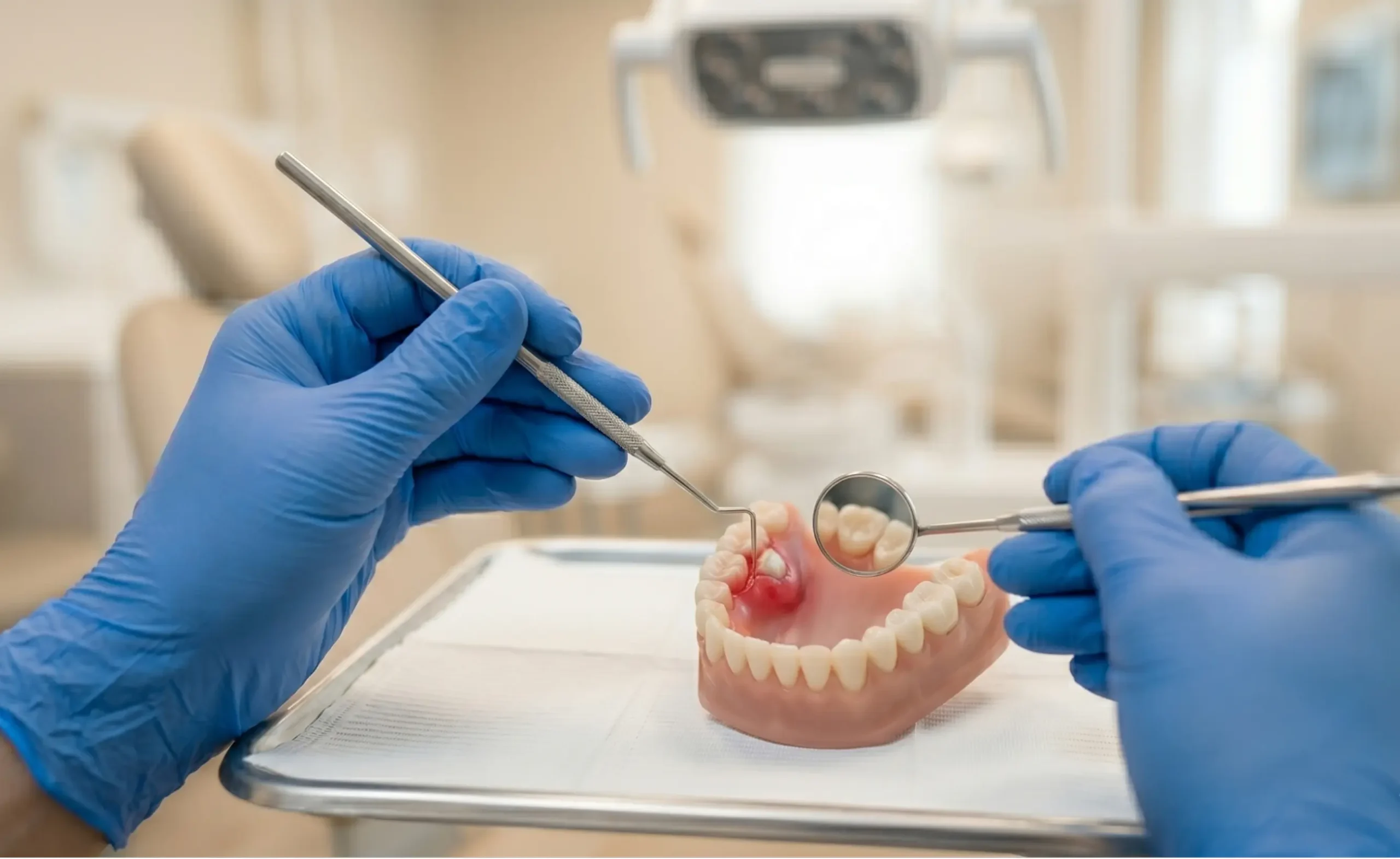
Tooth loss is often seen as something that happens suddenly, but in reality, it is usually the final stage of long-developing dental problems. Conditions like decay, gum disease, and infection often progress quietly before reaching a point where a tooth cannot be saved.
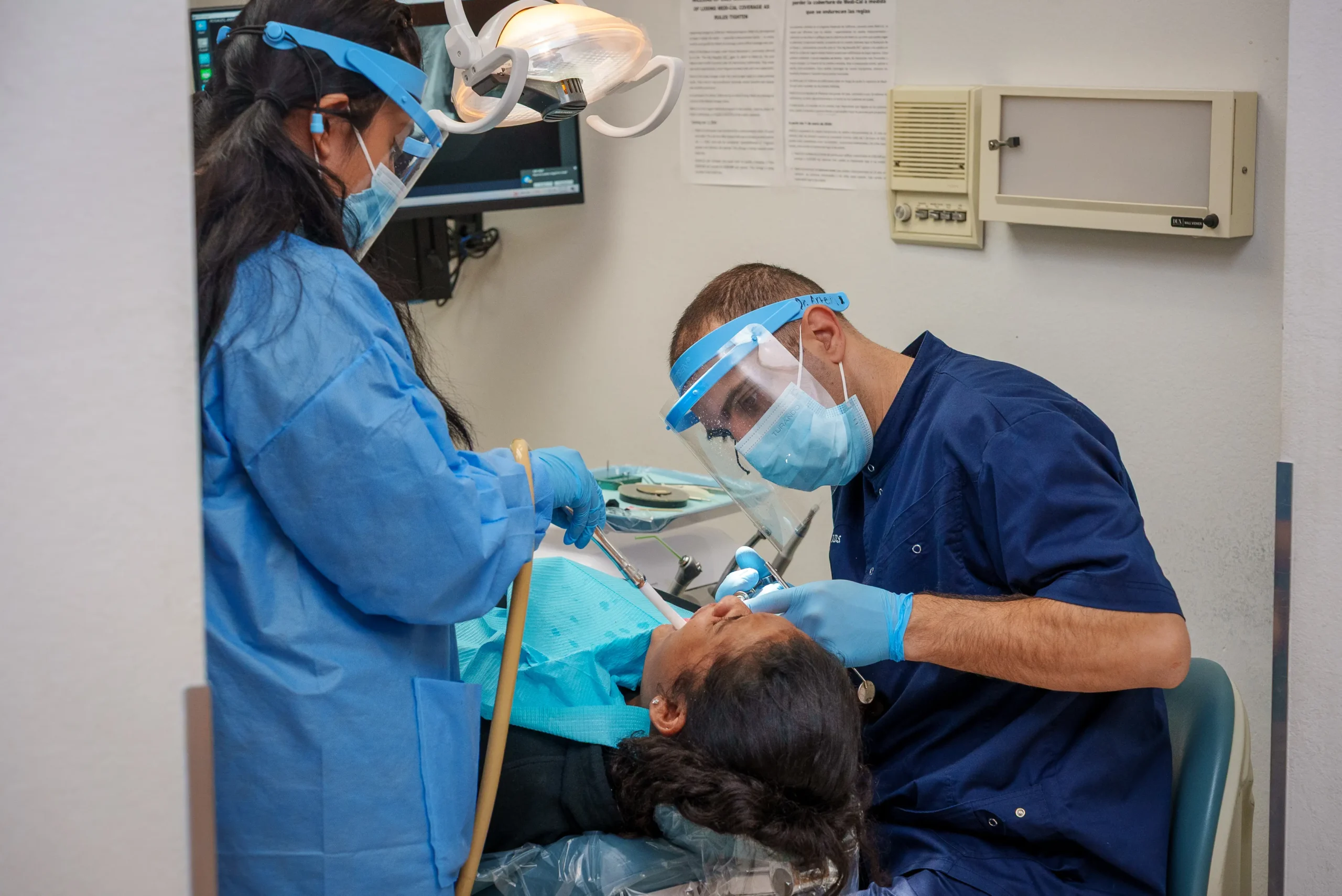
At Belgrave Family Dental in Huntington Park, preventive and restorative care is focused on identifying issues early to reduce the risk of tooth loss.
How Tooth Loss Typically Happens
Most tooth loss is not caused by a single event. Instead, it develops over time through:
- Untreated cavities progressing into infection
- Gum disease weakening tooth support structures
- Cracked or damaged teeth left untreated
- Delayed dental visits allowing problems to worsen
- Poor long-term oral hygiene habits
Understanding this progression is key to prevention.
Early Warning Signs
Before tooth loss occurs, there are usually warning signs:
- Bleeding gums during brushing
- Persistent bad breath
- Gum recession
- Tooth mobility or looseness
- Sensitivity when chewing
- Ongoing tooth pain
These symptoms indicate that underlying support structures may be weakening.
The Role of Preventive Dentistry
Preventive care is the strongest defence against tooth loss. It focuses on identifying problems before they require advanced treatment.
Preventive care includes:
- Routine dental examinations
- Professional cleaning to remove plaque and tartar
- Early cavity detection and fillings
- Monitoring gum health over time
Small interventions early often prevent major complications later.
Restorative Treatments That Help Prevent Tooth Loss
When issues are already present, restorative care helps preserve teeth:
- Fillings to stop decay progression
- Root canal treatment to save infected teeth
- Crowns to reinforce weakened teeth
- Gum treatment to stabilise support structures
The goal is always tooth preservation where possible.
Lifestyle Factors That Increase Risk
Certain habits can increase the risk of tooth loss:
- Smoking or tobacco use
- High sugar consumption
- Irregular brushing and flossing
- Avoiding dental visits
- Grinding teeth without protection
Addressing these factors reduces long-term risk significantly.
Why Early Treatment Matters
Delaying treatment often leads to:
- More complex procedures
- Higher treatment costs
- Increased risk of extraction
- Greater discomfort and recovery time
Early care is consistently more predictable and less invasive.
Internal Links
Conclusion
Tooth loss is largely preventable when dental issues are identified and treated early. At Belgrave Family Dental in Huntington Park, care is focused on prevention, early intervention, and preserving natural teeth for as long as possible.