Dental emergencies rarely happen at a convenient time. A sudden toothache in the middle of the night, a broken tooth during a family dinner, or a knocked-out tooth after a sports accident can leave you feeling stressed and unsure of what to do next. While some dental problems can wait for a scheduled appointment, others require immediate attention to prevent serious complications.
Knowing when to seek emergency dental care can make a significant difference in preserving your oral health, reducing pain, and preventing more extensive treatment later. Unfortunately, many people ignore warning signs or delay treatment, often allowing minor issues to become major problems.
If you’re experiencing severe discomfort or an unexpected dental injury, understanding the signs of a true dental emergency can help you take the right action quickly. Here’s what you need to know about recognizing urgent situations and when to visit an Emergency Dentist Huntington Park.
What Is Considered a Dental Emergency?
A dental emergency is any oral health condition that requires prompt treatment to relieve severe pain, stop bleeding, save a tooth, or prevent an infection from spreading.
While not every dental issue requires same-day care, certain symptoms should never be ignored. Delaying treatment may increase the risk of permanent damage, infection, or tooth loss.
Common dental emergencies include:
- Severe toothaches
- Knocked-out teeth
- Broken or cracked teeth
- Dental abscesses
- Swelling of the gums or face
- Uncontrolled bleeding
- Lost dental restorations causing pain
- Jaw injuries
When in doubt, contacting a dental professional is always the safest option.
For information about available treatments, patients can review the Services section to better understand emergency care options.
Why Immediate Dental Care Matters
Many people hope dental pain will simply go away on its own. Unfortunately, dental problems rarely resolve without professional treatment.
Ignoring symptoms can lead to:
- Worsening infections
- Increased pain
- Tooth loss
- Damage to surrounding teeth
- More expensive procedures
- Complications affecting overall health
The sooner a problem is diagnosed, the greater the likelihood of preserving the natural tooth and avoiding extensive treatment.
Let’s explore seven critical signs that indicate it’s time to seek emergency dental care.
1. Severe or Persistent Tooth Pain
A mild tooth sensitivity after drinking something cold may not be a cause for concern. However, severe, persistent, or throbbing tooth pain should never be ignored.
Pain is your body’s way of signaling that something is wrong.
Severe toothaches can result from:
- Deep cavities
- Dental infections
- Cracked teeth
- Exposed tooth roots
- Advanced gum disease
- Damaged fillings
If the pain interferes with eating, sleeping, or daily activities, emergency treatment may be necessary.
A dentist can identify the underlying cause and provide relief before the problem worsens.
2. A Knocked-Out Tooth
A knocked-out tooth is one of the most time-sensitive dental emergencies.
Whether caused by a sports injury, fall, or accident, quick action significantly improves the chances of saving the tooth.
If a tooth is knocked out:
- Pick it up by the crown, not the root.
- Gently rinse it with water if dirty.
- Avoid scrubbing or removing attached tissue.
- Try placing it back into the socket if possible.
- If not, store it in milk or saliva.
- Contact a dentist immediately.
The best outcomes typically occur when treatment is received within the first hour after the injury.
Prompt action can mean the difference between saving and losing the tooth.
3. Swelling of the Face or Gums
Facial swelling is often a sign of infection and should never be ignored.
Dental infections can spread beyond the mouth and affect other parts of the body if left untreated.
Warning signs include:
- Swollen cheeks
- Puffy gums
- Difficulty swallowing
- Difficulty opening the mouth
- Fever
- Tender lymph nodes
Swelling accompanied by severe pain or fever requires urgent evaluation.
A dental professional can determine the source of the infection and recommend appropriate treatment before complications develop.
If you’re unsure whether swelling requires immediate attention, the FAQ section may provide helpful guidance, but significant swelling should always be evaluated promptly.
4. Cracked, Broken, or Fractured Teeth
Teeth are strong, but they can still crack or break due to trauma, biting hard objects, or untreated decay.
Some fractures may be minor, while others expose the sensitive inner layers of the tooth.
Signs that a broken tooth requires emergency care include:
- Sharp pain when chewing
- Sensitivity to temperature
- Visible cracks
- Bleeding around the tooth
- Pieces of the tooth breaking away
Even if pain is minimal, a damaged tooth should be examined as soon as possible.
Without treatment, cracks can worsen and increase the risk of infection or tooth loss.
5. Dental Abscess or Infection
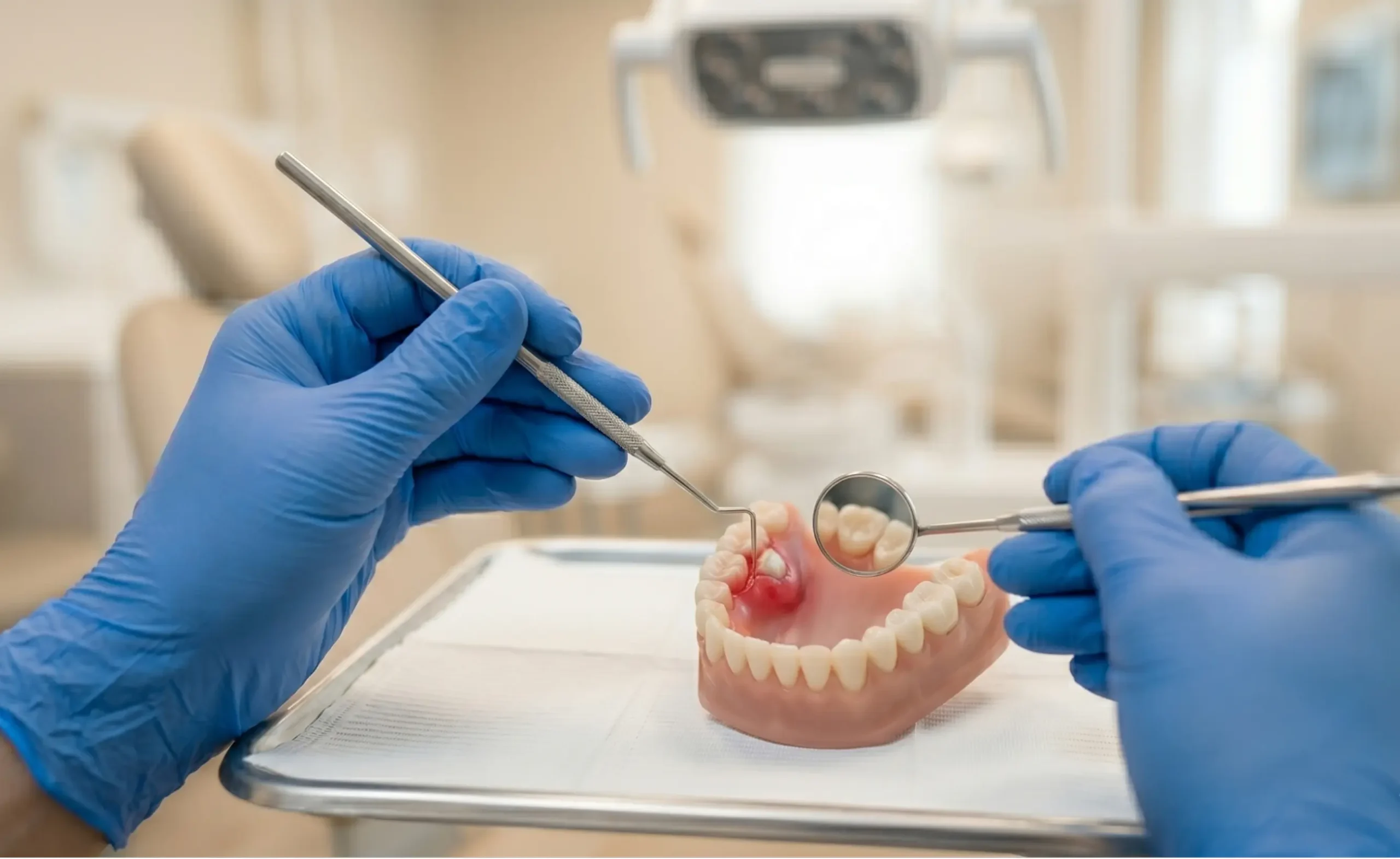
A dental abscess is a serious infection that forms when bacteria invade the tooth or surrounding tissues.
Abscesses typically do not heal without professional treatment.
Common symptoms include:
- Severe throbbing pain
- Gum swelling
- Bad taste in the mouth
- Pus drainage
- Fever
- Swollen face or jaw
Left untreated, an abscess can spread to nearby tissues and become a significant health concern.
Emergency dental care helps control the infection and protect surrounding teeth and structures.
Patients seeking additional oral health information can often find educational resources through the Blog section.
6. Uncontrolled Bleeding in the Mouth
Minor bleeding after brushing or flossing occasionally may not be an emergency. However, bleeding that continues after an injury or dental procedure should be taken seriously.
Causes may include:
- Oral trauma
- Tooth extraction complications
- Deep gum injuries
- Lacerations inside the mouth
If bleeding does not stop after applying gentle pressure, immediate dental evaluation is recommended.
Excessive blood loss can increase the risk of complications and may indicate a more serious injury.
7. Lost Fillings, Crowns, or Dental Restorations Causing Pain
Dental restorations are designed to protect damaged teeth. When a filling, crown, or other restoration becomes loose or falls out, the underlying tooth may become exposed.
This can lead to:
- Severe sensitivity
- Pain while chewing
- Increased risk of infection
- Further tooth damage
While not every lost restoration is an emergency, significant discomfort often requires prompt attention.
Early treatment can prevent additional complications and help preserve the affected tooth.
Many practices offer flexible scheduling and special savings opportunities through Our Offers, making necessary treatment more accessible.
What to Do Before Seeing an Emergency Dentist
Taking the right steps before your appointment can help minimize discomfort and protect your oral health.
For Tooth Pain
- Rinse with warm salt water.
- Avoid very hot or cold foods.
- Use over-the-counter pain relief as directed.
For a Knocked-Out Tooth
- Keep the tooth moist.
- Handle only the crown.
- Seek treatment immediately.
For Swelling
- Apply a cold compress externally.
- Stay hydrated.
- Avoid applying heat.
For Broken Teeth
- Save any broken pieces.
- Rinse your mouth gently.
- Avoid chewing on the affected side.
These temporary measures are not substitutes for professional treatment but can help until you reach the dental office.
How Emergency Dentistry Helps Protect Your Smile
Emergency dental care focuses on relieving pain, addressing the underlying problem, and preventing future complications.
Treatment may involve:
- Dental fillings
- Root canal therapy
- Tooth extractions
- Crowns
- Infection management
- Trauma repair
- Emergency examinations
The goal is always to preserve natural teeth whenever possible while restoring comfort and function.
Patients often discover that seeking treatment early results in simpler procedures and better long-term outcomes.
You can learn more about a practice’s philosophy and patient-centered approach by visiting the About Us page.
Preventing Future Dental Emergencies
While accidents cannot always be avoided, many emergencies can be prevented through regular dental care and healthy habits.
Consider these preventive measures:
- Schedule routine dental checkups.
- Wear a mouthguard during sports.
- Avoid chewing ice and hard objects.
- Treat cavities early.
- Maintain good oral hygiene.
- Address dental pain promptly.
Regular preventive care helps identify potential problems before they become emergencies.
The Home page often provides helpful information about preventive services and comprehensive dental care options available for the entire family.
When Should You Call an Emergency Dentist?
If you are experiencing severe pain, swelling, bleeding, trauma, or signs of infection, it is always better to seek professional advice sooner rather than later.
Many dental emergencies become more difficult and expensive to treat when ignored. Quick action can save teeth, reduce discomfort, and prevent complications that affect your overall health.
A trusted Emergency Dentist Huntington Park can provide prompt evaluation and treatment when unexpected dental problems arise. Whether you’re dealing with a painful toothache, a broken tooth, or a sudden dental injury, timely care can make all the difference.
If you’re facing a dental emergency or have concerns about a sudden oral health problem, visit the Contact Us page to schedule immediate assistance and receive the care you need as quickly as possible.