As parents, we do everything possible to keep our children healthy and happy. We make sure they eat nutritious foods, get enough sleep, stay active, and receive regular medical care. However, one aspect of health that is often overlooked is oral health.
A child’s dental health begins much earlier than many parents realize. Healthy baby teeth play an important role in speech development, proper chewing, and guiding permanent teeth into the correct position. Establishing positive dental habits early can help prevent problems that may affect a child’s smile for years to come.
Regular dental visits are one of the most effective ways to protect your child’s oral health. A routine Kids Dental Checkup allows dental professionals to monitor development, identify potential issues early, and teach children healthy habits that can last a lifetime.
In this guide, we’ll explore why children’s dental checkups matter, what parents can expect during appointments, and how regular visits help create healthy, confident smiles.
Why Children’s Dental Health Matters
Many parents assume baby teeth are not very important because they eventually fall out. However, primary teeth serve several critical functions during childhood.
Baby teeth help children:
- Learn to speak clearly
- Chew food properly
- Maintain facial structure
- Develop healthy oral habits
- Hold space for permanent teeth
When baby teeth become damaged by decay or are lost too early, children may experience challenges that affect both their oral health and overall development.
Routine dental visits help prevent these problems while promoting healthy growth.
Families interested in learning more about comprehensive dental care can explore the About Us section to better understand a dental practice’s approach to children’s oral health.
When Should a Child Visit the Dentist for the First Time?
One of the most common questions parents ask is when their child should have their first dental appointment.
According to dental professionals, children should generally visit the dentist:
- Within six months of the first tooth appearing
- No later than their first birthday
Although this may seem early, these initial visits are important for monitoring development and helping parents understand how to care for their child’s teeth properly.
Early dental visits also allow children to become familiar with the dental environment before treatment is ever needed.
This positive introduction often reduces anxiety and helps create a lifelong comfort with dental care.
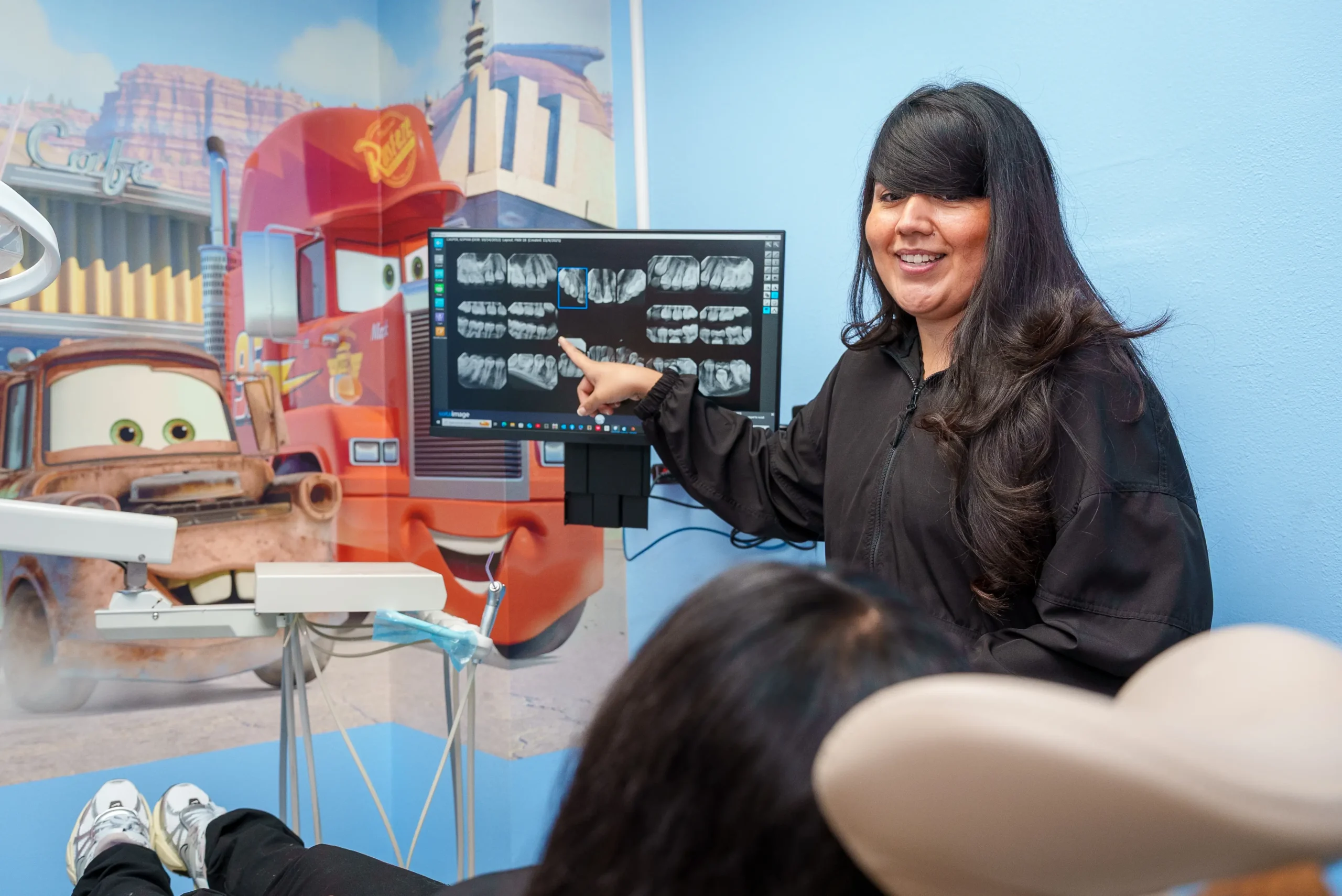
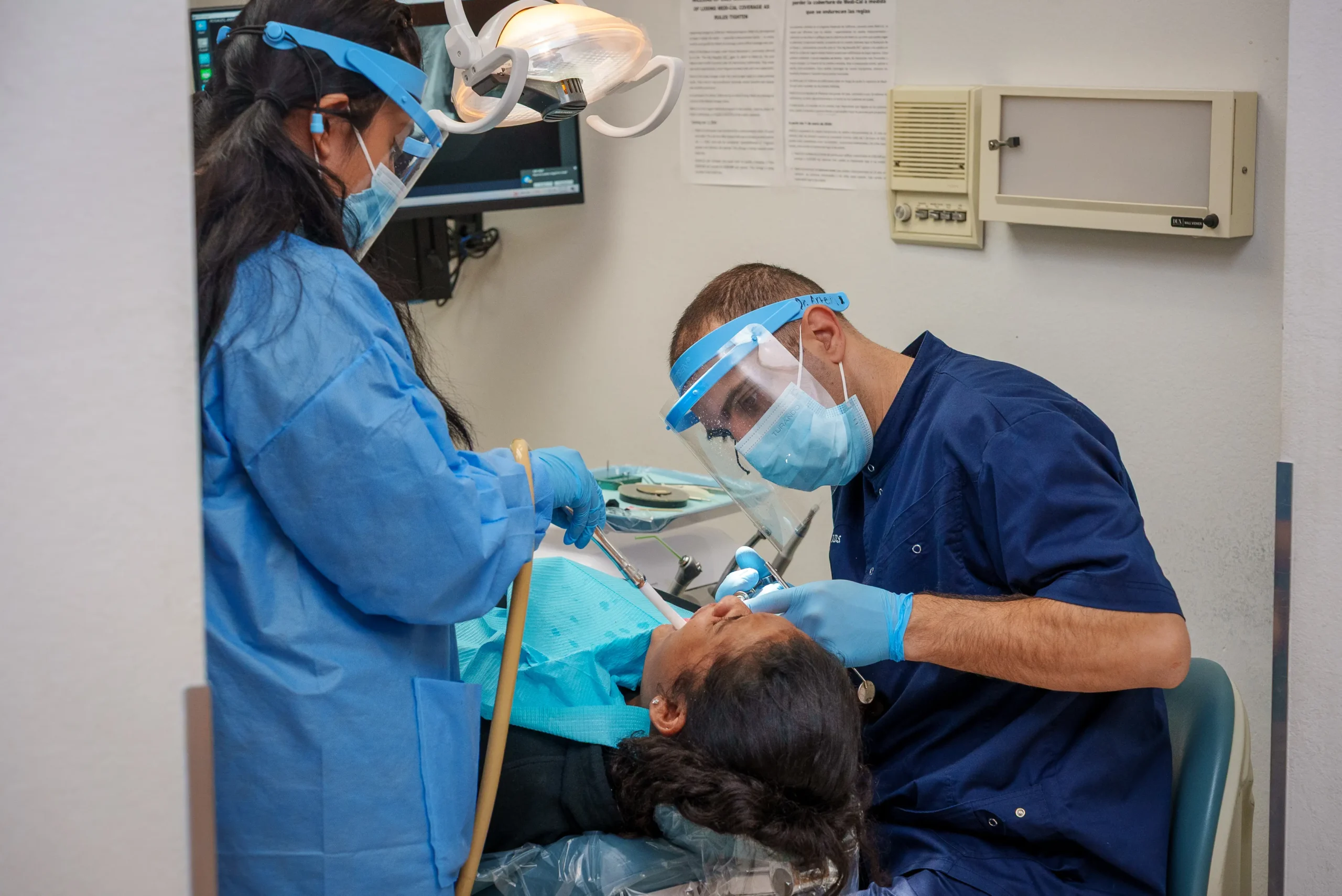
What Happens During a Kids Dental Checkup?
Parents are often surprised by how gentle and simple children’s dental visits can be.
The goal of a kids dental checkup is not only to examine the teeth but also to create a positive experience.
During a routine visit, the dental team may:
Examine the Teeth
The dentist checks for:
- Cavities
- Tooth development
- Bite alignment
- Signs of decay
- Oral injuries
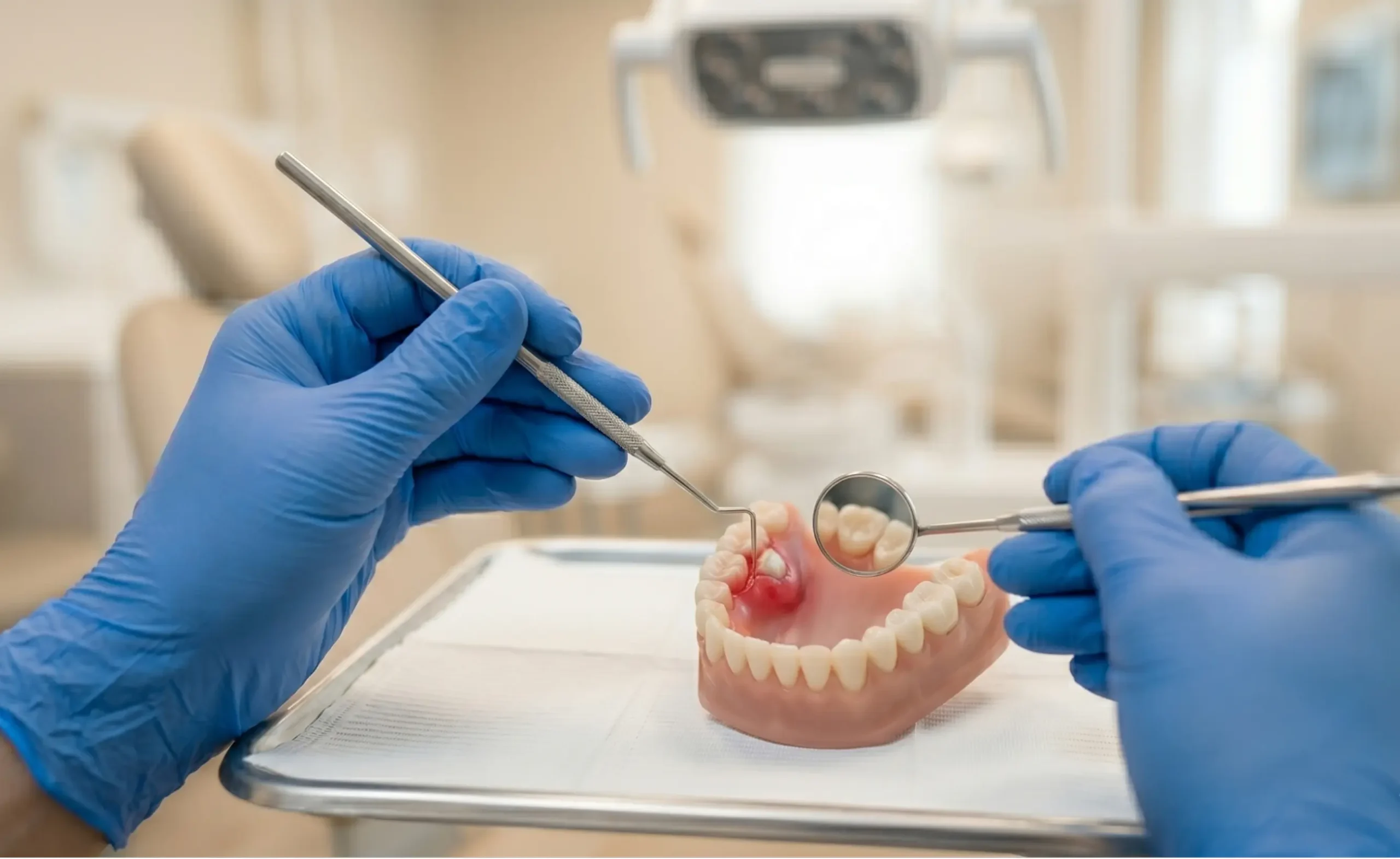
Evaluate Gum Health
Healthy gums are essential for strong teeth. The dentist will look for any signs of irritation, inflammation, or infection.
Monitor Growth and Development
Children’s mouths change rapidly as they grow. Regular checkups help ensure permanent teeth are developing properly.
Provide Preventive Care
Depending on the child’s needs, preventive treatments may include:
- Professional cleaning
- Fluoride application
- Dental sealants
- Oral hygiene education
Many preventive treatments are discussed in greater detail through the Services section of the website.
The Importance of Preventive Dental Care
Preventive care is the foundation of children’s dentistry.
Rather than waiting for problems to occur, preventive dentistry focuses on stopping issues before they develop.
Benefits of preventive care include:
- Fewer cavities
- Reduced risk of gum disease
- Lower treatment costs
- Improved oral hygiene habits
- Better long-term dental health
Children who receive regular preventive care are more likely to maintain healthy smiles into adulthood.
Common Dental Problems in Children
Even with good oral hygiene, children can experience a variety of dental concerns.
Some of the most common issues include:
Tooth Decay
Cavities remain one of the most common childhood health conditions.
Contributing factors include:
- Frequent sugary snacks
- Poor brushing habits
- Inadequate fluoride exposure
Thumb Sucking
Prolonged thumb sucking may affect tooth alignment and jaw development.
Early Tooth Loss
Injury or decay can cause premature tooth loss, potentially impacting future dental development.
Crowded Teeth
As permanent teeth emerge, some children develop spacing or alignment issues that may require orthodontic evaluation.
Regular checkups allow these concerns to be identified and addressed early.
How Dental Checkups Help Prevent Cavities
Cavities do not appear overnight. They develop gradually as bacteria interact with food particles and sugars in the mouth.
Routine dental visits help prevent cavities through:
Professional Cleanings
Even children who brush regularly can miss hard-to-reach areas.
Professional cleanings remove plaque and tartar that cannot be eliminated through brushing alone.
Fluoride Treatments
Fluoride strengthens enamel and helps protect teeth against decay.
Dental Sealants
Sealants create a protective barrier on chewing surfaces where cavities commonly form.
Education
Dentists teach children proper brushing and flossing techniques in ways that are easy to understand and follow.
Building Positive Dental Habits Early
One of the greatest benefits of a kids dental checkup is the opportunity to develop healthy habits at an early age.
Children learn:
- How to brush correctly
- Why flossing matters
- How food affects teeth
- The importance of routine dental visits
When children understand why oral hygiene is important, they are more likely to maintain healthy behaviors as they grow older.
Parents can reinforce these lessons at home by creating consistent routines and leading by example.
Additional oral health resources are often available through the practice’s Blog, helping families stay informed throughout the year.
Helping Children Overcome Dental Anxiety
Many children feel nervous before visiting the dentist. This is completely normal, especially if they are unfamiliar with the environment.
Fortunately, there are several ways parents can help reduce anxiety.
Use Positive Language
Avoid using words that may create fear or stress.
Instead, focus on:
- Healthy smiles
- Friendly dental visits
- Learning experiences
Read Children’s Dental Books
Stories about dental visits can help children understand what to expect.
Schedule Early Appointments
Children are often more cooperative when appointments are scheduled earlier in the day.
Stay Calm
Children often mirror their parents’ emotions. Remaining positive can help them feel more relaxed.
Many family dental practices prioritize creating a welcoming environment specifically designed to help children feel comfortable and confident.
If parents have concerns about treatment or procedures, the FAQ section can provide valuable information before an appointment.
The Role of Nutrition in Children’s Oral Health
Dental health starts long before a child sits in a dental chair.
Nutrition plays a major role in protecting growing teeth.
Foods that support healthy smiles include:
- Fresh fruits
- Vegetables
- Cheese
- Yogurt
- Lean proteins
- Water
Parents should limit:
- Sugary drinks
- Sticky candies
- Frequent snacking
- Excessive juice consumption
Healthy dietary choices help strengthen enamel and reduce cavity risk.
Combined with regular dental visits, proper nutrition forms a strong foundation for lifelong oral health.
Signs Your Child May Need a Dental Appointment Sooner
While routine checkups are important, certain symptoms may indicate the need for an earlier evaluation.
Watch for:
- Tooth pain
- Swollen gums
- White or brown spots on teeth
- Difficulty chewing
- Persistent bad breath
- Loose teeth outside normal development
- Dental injuries
Prompt treatment can often prevent more serious complications.
Many practices offer flexible scheduling and special opportunities through Our Offers, making it easier for families to receive timely care.
Why Consistency Matters
Some parents wait until a child experiences discomfort before scheduling a dental appointment. Unfortunately, many dental problems can develop silently without obvious symptoms.
Consistent dental visits provide:
- Early diagnosis
- Preventive treatment
- Improved oral hygiene
- Better long-term outcomes
- Greater comfort with dental care
Children who grow up attending regular checkups often develop healthier attitudes toward oral health throughout their lives.
Creating a Lifetime of Healthy Smiles
A child’s smile is constantly changing and developing. From baby teeth to permanent teeth, every stage of growth presents new opportunities to support oral health.
Routine Kids Dental Checkup appointments provide far more than cavity detection. They help children learn healthy habits, prevent future dental problems, build confidence, and establish a positive relationship with dental care.
By combining professional dental visits with good home care and healthy lifestyle choices, parents can give their children the foundation they need for strong, healthy smiles that last a lifetime.
Whether your child is preparing for their first dental visit or continuing regular preventive care, exploring the Home page can provide helpful information about family-focused dental services. When you’re ready to schedule an appointment or ask questions about your child’s oral health, visit Contact Us to connect with a caring dental team dedicated to helping young smiles thrive.