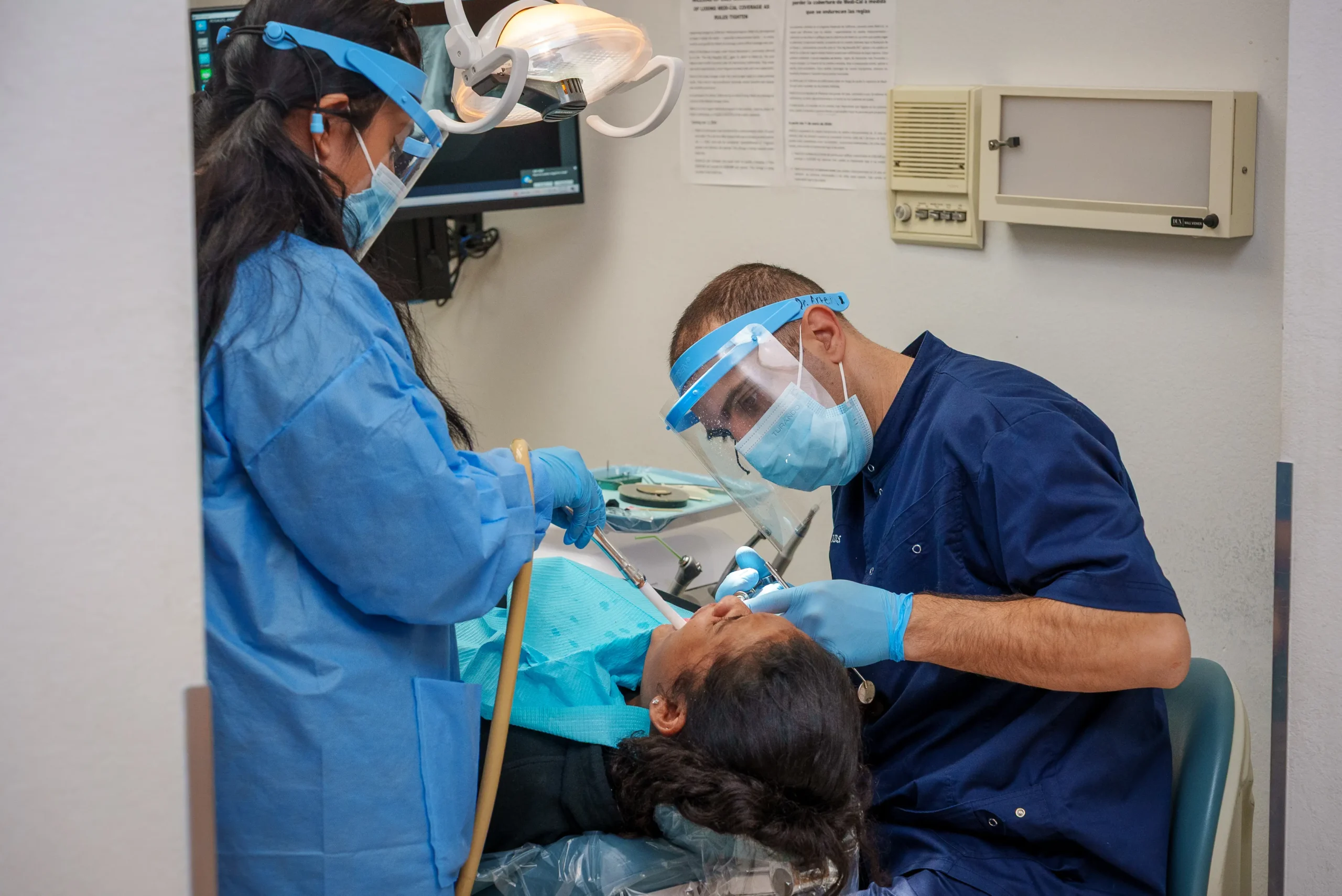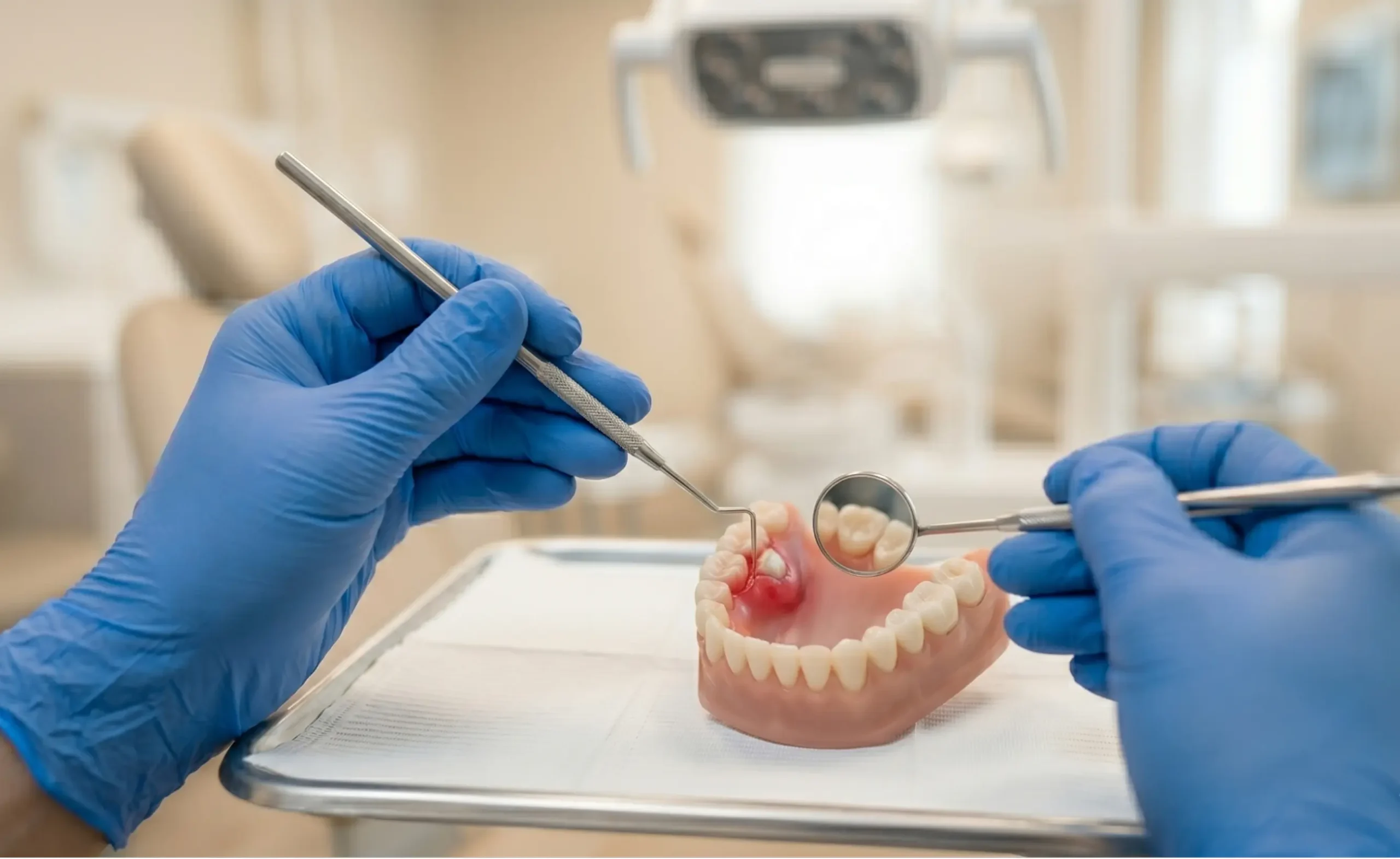
Most dentists work hard to preserve natural teeth whenever possible. Treatments such as fillings, crowns, and root canals are often used to restore damaged teeth and maintain long-term oral health. However, there are situations where saving a tooth is no longer the best option. In these cases, tooth extraction may be necessary to protect your overall oral health and prevent more serious complications.
While the idea of having a tooth removed can sound intimidating, modern dental techniques have made the procedure safer, more comfortable, and more efficient than ever before. Understanding when tooth extraction in Huntington Park may be recommended can help patients make informed decisions and feel more confident about their treatment.
What Is a Tooth Extraction?
A tooth extraction is the removal of a tooth from its socket in the jawbone. Dentists only recommend extraction when other treatment options are unlikely to provide long-term success.
Extractions may be performed for:
- Severe tooth decay
- Advanced gum disease
- Dental infections
- Broken teeth
- Overcrowding
- Impacted wisdom teeth
- Orthodontic treatment preparation
The goal is always to improve oral health and prevent future complications.
To better understand the full range of treatment options available before considering extraction, explore our Services page for comprehensive dental care solutions.
When Is Tooth Extraction Necessary?
Many patients wonder whether their tooth can be saved. The answer depends on the extent of damage and the condition of surrounding tissues.
Dentists typically recommend extraction only when:
- The tooth cannot be restored effectively
- Infection has caused extensive damage
- Severe bone loss is present
- The tooth threatens neighboring teeth
- Long-term oral health would benefit from removal
Every situation is unique, which is why a professional evaluation is important before making treatment decisions.
Sign #1: Severe Tooth Decay
Tooth decay is one of the leading causes of tooth loss.
When cavities are treated early, fillings or crowns can often restore the tooth. However, untreated decay may eventually destroy a significant portion of the tooth structure.
Signs of advanced decay include:
- Persistent tooth pain
- Visible holes in teeth
- Sensitivity to temperature
- Difficulty chewing
- Dark discoloration
If too much of the tooth has been compromised, extraction may be the most practical solution.
Sign #2: Advanced Gum Disease
Gum disease affects not only the gums but also the bone that supports teeth.
In severe cases, periodontal disease can lead to:
- Loose teeth
- Bone loss
- Gum recession
- Infection
- Tooth mobility
When a tooth loses adequate support, extraction may be necessary to prevent ongoing complications.
Patients interested in learning more about preventive oral health strategies can find valuable educational resources throughout our Blog.
Sign #3: Serious Dental Infection
An untreated infection can spread beyond the tooth and affect surrounding tissues.
While root canal therapy often saves infected teeth, extraction may become necessary if:
- Infection is extensive
- Structural damage is severe
- Previous treatment has failed
- The tooth cannot be restored
Prompt treatment is important because dental infections can worsen quickly if ignored.
Sign #4: A Severely Broken Tooth
Not all broken teeth require extraction. In many cases, crowns or other restorative treatments can preserve the tooth.
However, extraction may be recommended if:
- The fracture extends below the gum line
- The root is damaged
- Restoration is no longer possible
- Structural integrity is compromised
A thorough examination helps determine the best course of action.
Sign #5: Impacted Wisdom Teeth
Wisdom teeth are often extracted when they:
- Remain trapped beneath the gums
- Grow at improper angles
- Cause pain
- Create overcrowding
- Increase infection risk
Not every wisdom tooth requires removal, but impacted teeth frequently lead to complications that make extraction beneficial.
Sign #6: Overcrowding Before Orthodontic Treatment
In some situations, orthodontic treatment may require strategic tooth removal.
Extraction can help:
- Create space
- Improve alignment
- Reduce crowding
- Enhance treatment outcomes
This approach allows teeth to move into healthier and more functional positions.
If you have questions about treatment recommendations or common dental procedures, our FAQ page offers answers to many concerns patients frequently have.
What Happens During a Tooth Extraction?
Many patients feel nervous because they are unsure what to expect.
The extraction process typically involves:
Initial Examination
The dentist evaluates the tooth and surrounding tissues using clinical examination and diagnostic imaging.
Local Anesthesia
The treatment area is numbed to maximize comfort.
Tooth Removal
Specialized instruments are used to carefully loosen and remove the tooth.
Post-Treatment Care
Detailed aftercare instructions are provided to support healing and reduce complications.
Most routine extractions can be completed efficiently and comfortably.
Is Tooth Extraction Painful?
One of the most common misconceptions about extractions is that the procedure itself is painful.
Modern dentistry focuses heavily on patient comfort.
During treatment:
- Local anesthesia minimizes discomfort
- Advanced techniques improve efficiency
- Dentists carefully monitor patient comfort
Most patients report feeling pressure rather than pain during the procedure.
Mild soreness afterward is normal and usually manageable with recommended aftercare measures.
Recovery After Tooth Extraction
Proper aftercare plays a significant role in healing.
Patients are often advised to:
- Rest during the first 24 hours
- Avoid smoking
- Eat soft foods
- Follow cleaning instructions
- Avoid using straws initially
- Stay hydrated
Most people recover smoothly when aftercare guidelines are followed carefully.
Tooth Replacement Options After Extraction
Removing a tooth does not always mean leaving a gap permanently.
Several replacement options may be available, including:
- Dental implants
- Dental bridges
- Partial dentures
- Implant-supported restorations
Replacing missing teeth can help:
- Maintain chewing ability
- Prevent shifting teeth
- Support jaw health
- Preserve facial structure
Your dentist can recommend the most appropriate solution based on your needs.
For more information about restorative options and smile rehabilitation, visit our Services page to explore available treatments.
Why Delaying an Extraction Can Be Risky
Some patients postpone treatment because they hope symptoms will improve on their own.
Unfortunately, delaying necessary extraction may lead to:
- Increased pain
- Worsening infection
- Bone damage
- Damage to neighboring teeth
- More complicated treatment
Addressing problems promptly often results in better outcomes and a smoother recovery.
How to Reduce the Risk of Future Extractions
Although some extractions are unavoidable, many can be prevented through proper oral care.
Helpful habits include:
- Brushing twice daily
- Flossing consistently
- Limiting sugary foods
- Attending regular dental checkups
- Treating problems early
- Wearing protective mouthguards when appropriate
Preventive care remains one of the best ways to preserve natural teeth.
Many patients use our Blog to stay informed about oral health habits that can help reduce the risk of future dental problems.
Why Patients Choose Tooth Extraction in Huntington Park
When extraction becomes necessary, patients want care that prioritizes safety, comfort, and long-term oral health.
Choosing an experienced dental team provides:
- Thorough evaluations
- Personalized treatment planning
- Comfortable procedures
- Clear recovery guidance
- Comprehensive follow-up care
The goal is always to make the process as smooth and stress-free as possible.
To learn more about our commitment to compassionate, patient-focused care, visit our About Us page and meet our experienced dental team.
Frequently Asked Questions
How long does a tooth extraction take?
Most routine extractions can be completed in less than an hour, although treatment times vary depending on complexity.
When can I eat after an extraction?
Soft foods are typically recommended during the initial healing period. Your dentist will provide specific instructions.
Will I need to replace the extracted tooth?
Replacement is often recommended, especially for visible teeth or teeth that play an important role in chewing and bite function.
How long does recovery take?
Most patients experience significant improvement within a few days, although complete healing may take longer depending on the procedure.
For additional information about appointments, treatment options, insurance questions, and patient resources, visit our FAQ page for helpful guidance.
Final Thoughts
While preserving natural teeth is always the preferred goal, there are situations where extraction provides the best path toward improved oral health. Severe decay, infection, gum disease, impacted wisdom teeth, and significant damage can all make tooth removal the most effective treatment option.
Tooth extraction in Huntington Park is a common and safe procedure that helps prevent further complications while supporting long-term oral health. With proper care, recovery is typically straightforward, and modern replacement options can help restore both function and appearance.
If you’re experiencing tooth pain, swelling, or concerns about a damaged tooth, visit our Contact Us page to schedule an evaluation and discuss your treatment options with our dental team.