When most people think about dental care, they often focus on treating problems after they appear. A toothache leads to a dental visit. A broken tooth requires treatment. Swollen gums prompt concern. While treating dental issues is important, the most effective approach to oral health is preventing those problems from developing in the first place.
Preventive dental care focuses on protecting teeth and gums through routine checkups, professional cleanings, healthy habits, and early detection of potential concerns. By taking proactive steps today, patients can often avoid discomfort, reduce treatment costs, and maintain healthier smiles for years to come.
If you’re looking to improve your oral health, understanding the benefits of preventive dental care in Huntington Park can help you make informed decisions that support lifelong dental wellness.
What Is Preventive Dental Care?
Preventive dental care refers to the practices and treatments designed to maintain oral health and reduce the risk of future dental problems.
Rather than waiting for symptoms to appear, preventive dentistry focuses on identifying and addressing concerns early.
Common preventive services include:
- Routine dental examinations
- Professional teeth cleanings
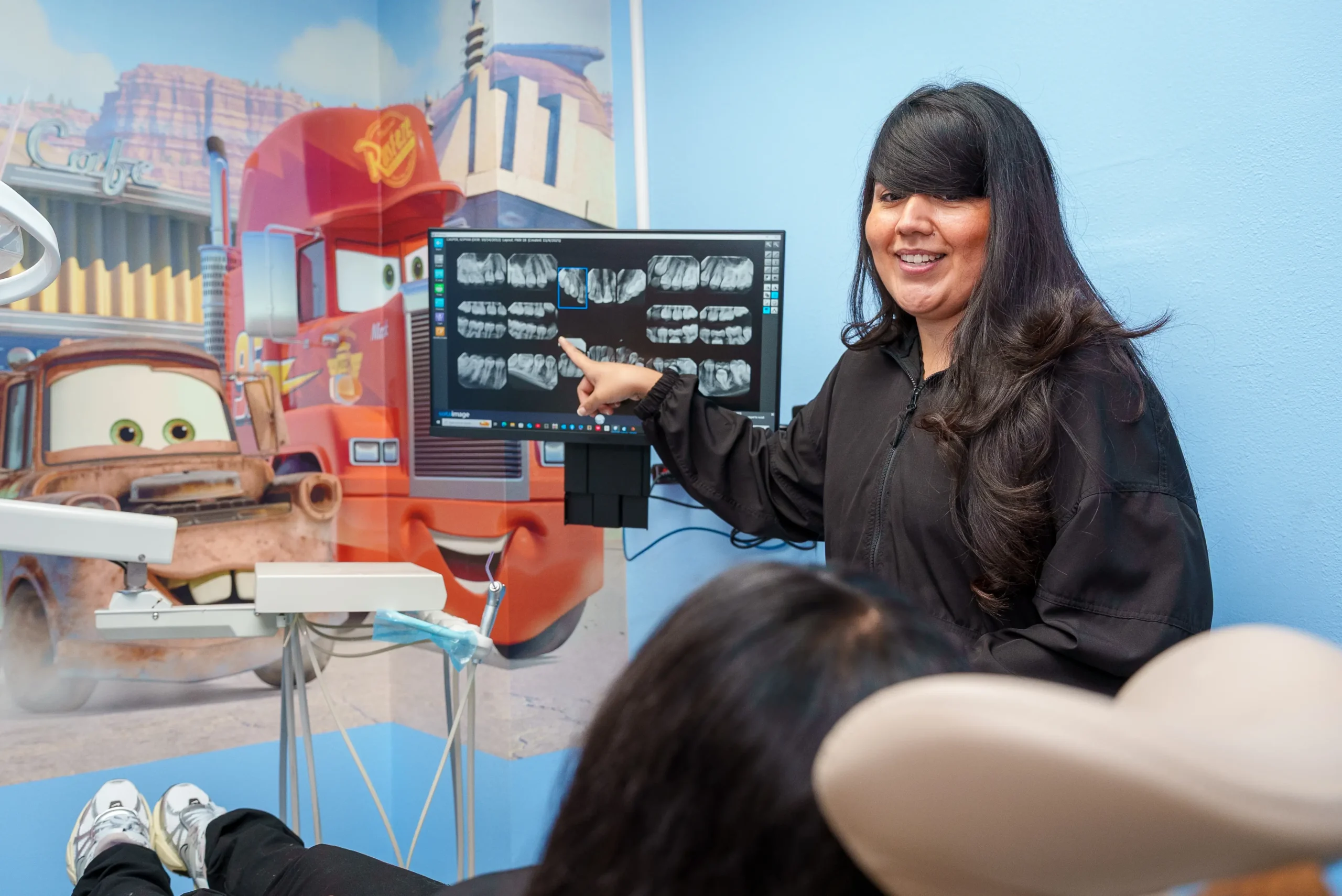
- Digital x-rays
- Oral cancer screenings
- Fluoride treatments
- Dental sealants
- Patient education
Together, these services help create a strong foundation for long-term oral health.
To explore the full range of preventive and restorative treatments available, visit our Services page for more information.
Why Prevention Is Better Than Treatment
Many dental problems develop gradually over time.
A small cavity may begin without pain. Early gum disease can progress quietly. Minor plaque buildup may eventually contribute to larger oral health concerns.
Preventive care helps identify these issues before they become serious.
Benefits of prevention include:
- Lower treatment costs
- Reduced discomfort
- Early diagnosis
- Better oral health outcomes
- Fewer dental emergencies
Addressing problems early is often easier, faster, and more affordable than treating advanced conditions.
The Importance of Routine Dental Checkups
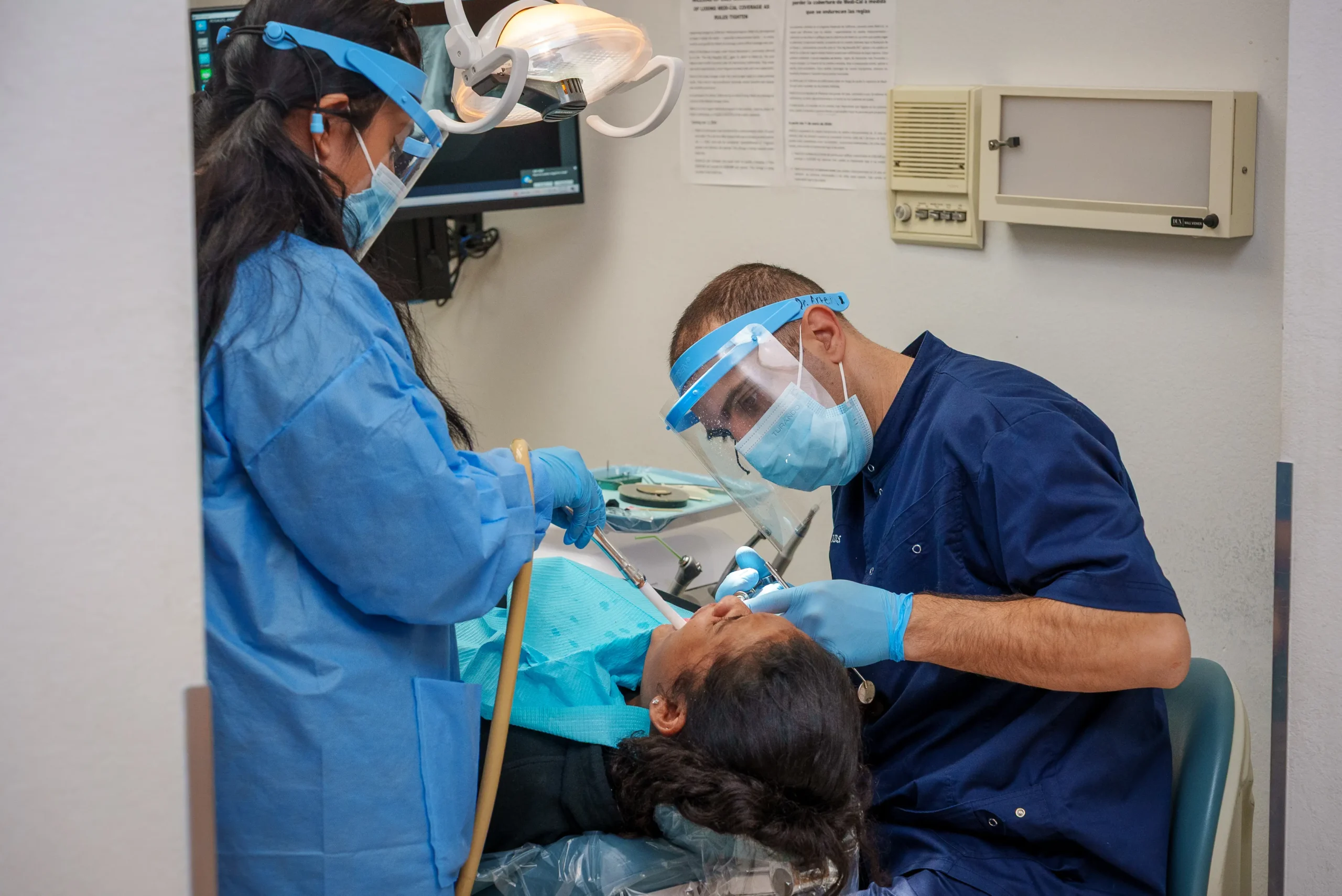
Routine dental visits are one of the cornerstones of preventive care.
During an examination, your dentist evaluates:
- Tooth health
- Gum condition
- Bite alignment
- Existing restorations
- Signs of decay
- Oral tissue health
These evaluations allow potential issues to be identified before symptoms become noticeable.
Many patients are surprised to learn that cavities, gum disease, and other concerns can exist without causing pain during their early stages.
Professional Dental Cleanings Make a Difference
Even patients who brush and floss regularly benefit from professional cleanings.
Over time, plaque can harden into tartar, which cannot be removed with a toothbrush alone.
Professional cleanings help:
- Remove plaque buildup
- Eliminate tartar deposits
- Reduce gum disease risk
- Improve oral hygiene
- Support fresher breath
Regular cleanings are a simple but highly effective way to maintain healthy teeth and gums.
For additional oral health guidance and dental education, be sure to visit our Blog for regularly updated resources and tips.
How Preventive Care Helps Children
Children benefit significantly from preventive dentistry.
Early dental visits help:
- Monitor oral development
- Detect concerns early
- Encourage healthy habits
- Reduce dental anxiety
- Prevent cavities
Teaching children proper oral hygiene techniques at a young age can create lifelong habits that support healthy smiles.
Parents who prioritize preventive care often help reduce the likelihood of future dental problems for their children.
The Link Between Oral Health and Overall Health
Research continues to highlight the connection between oral health and overall wellness.
Poor oral health has been associated with:
- Increased inflammation
- Gum disease
- Chronic health concerns
- Difficulty eating
- Reduced quality of life
Maintaining healthy teeth and gums supports more than just your smile—it contributes to overall health and well-being.
Preventive care helps protect both oral and general health.
Healthy Habits That Support Preventive Dental Care
Good oral health begins at home.
Some of the most important habits include:
Brushing Twice Daily
Consistent brushing helps remove plaque and bacteria that contribute to cavities and gum disease.
Flossing Every Day
Flossing reaches areas that toothbrushes cannot effectively clean.
Limiting Sugary Foods
Reducing sugar intake can lower the risk of tooth decay.
Drinking Plenty of Water
Water helps rinse away food particles and supports oral health.
Replacing Toothbrushes Regularly
Worn toothbrushes may become less effective over time.
These simple habits can significantly impact long-term oral health.
Preventing Gum Disease Before It Starts
Gum disease is one of the most common oral health conditions affecting adults.
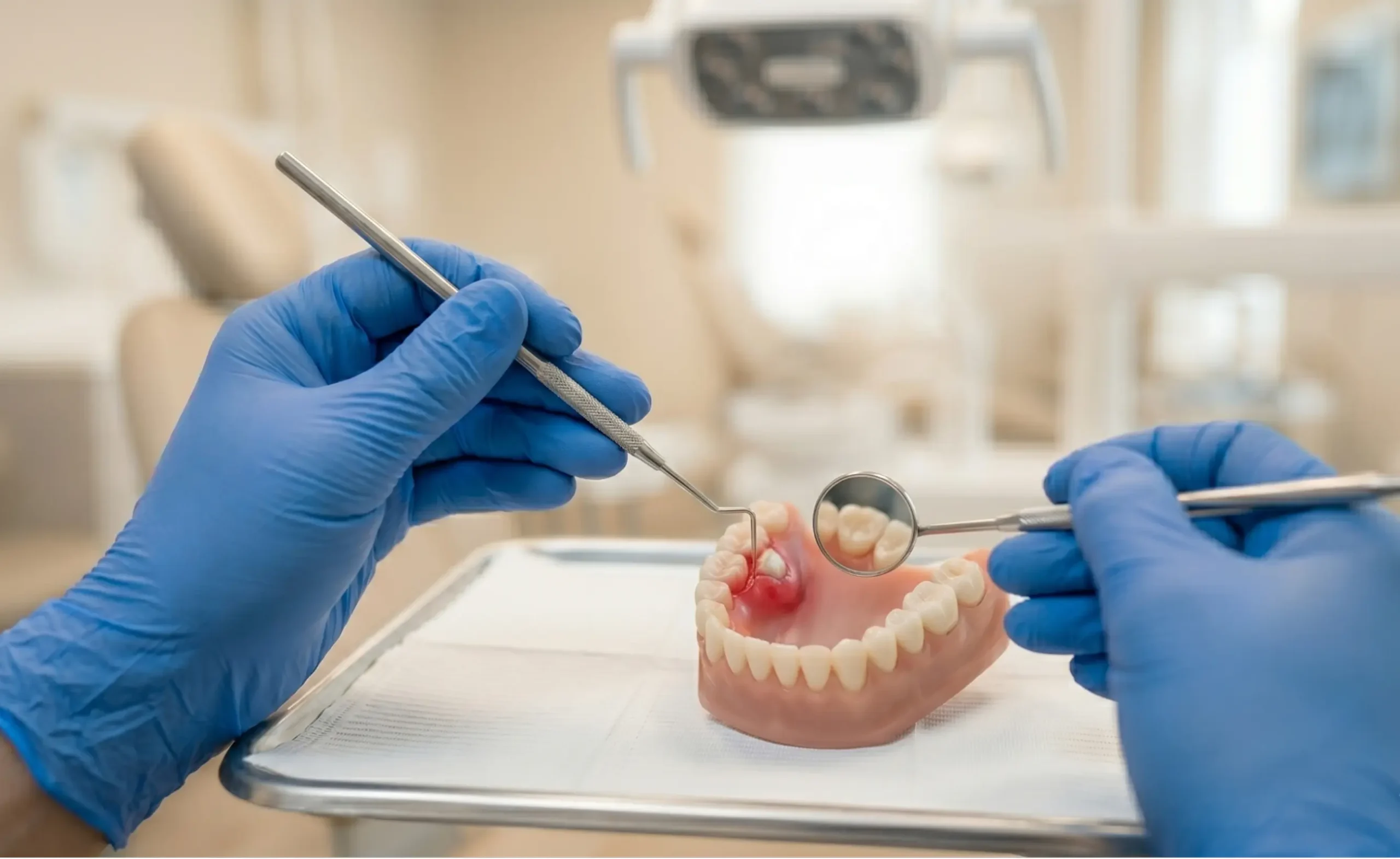
Early-stage gum disease may cause:
- Redness
- Swelling
- Bleeding during brushing
- Persistent bad breath
Without treatment, gum disease can progress and potentially contribute to tooth loss.
Routine cleanings and examinations play an important role in preventing gum-related complications.
Patients often find answers to common oral health questions by exploring our FAQ page before their next appointment.
Early Detection Saves Time and Money
One of the greatest advantages of preventive dentistry is early detection.
Identifying problems early often allows for:
- Simpler treatment
- Lower costs
- Faster recovery
- Better outcomes
For example:
- A small cavity may only require a filling.
- Untreated decay may eventually require a crown or root canal.
- Advanced infections may result in tooth loss.
Preventive care helps reduce the likelihood of these more complex situations.
How Technology Supports Preventive Dentistry
Modern dental technology has improved the effectiveness of preventive care.
Many dental practices use:
- Digital x-rays
- Advanced diagnostic tools
- Intraoral imaging
- Enhanced screening techniques
These technologies help dentists detect concerns earlier and provide more accurate assessments.
Earlier diagnosis often leads to more conservative treatment recommendations.
Preventive Care for Adults and Seniors
Preventive dentistry remains important throughout every stage of life.
Adults benefit from routine monitoring of:
- Existing restorations
- Gum health
- Tooth wear
- Bite changes
- Oral cancer risks
Seniors may also require additional attention to age-related oral health concerns.
Regular preventive visits help support long-term dental wellness regardless of age.
Families interested in learning more about our patient-centered approach to care can visit our About Us page and get to know our experienced team.
Making Preventive Care Affordable
Many patients worry about the cost of routine dental visits.
However, preventive care is often one of the most cost-effective investments in oral health.
Benefits include:
- Reduced emergency treatment
- Lower restorative costs
- Better long-term outcomes
- Fewer unexpected dental expenses
Investing in prevention today may help avoid more costly procedures in the future.
Patients looking for opportunities to save on routine dental care should explore our Our Offers page for current promotions and specials.
Why Consistency Matters
Preventive dentistry is most effective when practiced consistently.
Scheduling regular appointments helps:
- Monitor changes over time
- Track oral health progress
- Identify concerns early
- Reinforce healthy habits
Even patients with excellent home care benefit from professional evaluations and cleanings.
Consistency remains one of the most powerful tools for protecting your smile.
For ongoing dental wellness advice and oral health education, visit our Blog to stay informed about the latest preventive care recommendations.
Frequently Asked Questions
How often should I schedule preventive dental visits?
Most patients benefit from dental examinations and professional cleanings every six months, although recommendations may vary.
Are preventive dental visits really necessary if I brush and floss daily?
Yes. Professional cleanings and examinations help identify issues that may not be visible or noticeable at home.
Can preventive care reduce dental costs?
In many cases, preventive care helps identify problems early, reducing the need for more extensive treatment later.
What preventive services are most important?
Routine examinations, professional cleanings, oral health education, and diagnostic screenings all play important roles.
For additional patient resources and answers to common concerns, visit our FAQ page for more helpful information.
Final Thoughts
Preventive dental care in Huntington Park is one of the most effective ways to protect your oral health and reduce the risk of future dental problems. Through routine checkups, professional cleanings, healthy habits, and early detection, patients can maintain healthier smiles while avoiding unnecessary discomfort and expense.
Small actions performed consistently often have the greatest long-term impact. By making preventive dentistry a priority, individuals and families can enjoy stronger teeth, healthier gums, and greater confidence in their oral health for years to come.
Ready to take a proactive approach to your oral health? Visit our Contact Us page to schedule your next preventive dental appointment and keep your smile healthy for the future.