For many people, visiting the dentist can feel stressful. Even the thought of sitting in a dental chair may trigger nervousness, worry, or fear. While some individuals experience mild discomfort before an appointment, others avoid dental visits entirely because of overwhelming anxiety.
Dental anxiety is more common than many people realize. Millions of adults and children experience some level of fear related to dental care. Unfortunately, avoiding treatment often leads to more serious oral health problems, which can eventually require more extensive procedures and create even greater anxiety.
The good news is that modern dentistry has changed dramatically over the years. Today’s dental practices focus heavily on patient comfort, gentle care, advanced technology, and personalized treatment approaches designed to reduce stress and improve the overall experience.
If fear has been preventing you from seeking the dental care you need, understanding available Dental Anxiety Treatment options can help you regain confidence and take control of your oral health.
Understanding Dental Anxiety
Dental anxiety refers to feelings of nervousness, fear, or stress associated with dental visits or dental procedures.
For some individuals, anxiety may occur only before major treatments. For others, even a routine dental cleaning can trigger feelings of unease.
Dental anxiety can range from mild concern to severe dental phobia that prevents patients from scheduling appointments altogether.
Common symptoms include:
- Increased heart rate
- Sweating
- Difficulty sleeping before appointments
- Feeling restless
- Panic attacks
- Avoidance of dental care
- Trouble concentrating during treatment
Recognizing dental anxiety is the first step toward overcoming it.
Why Do People Fear the Dentist?
Understanding the source of anxiety can help patients address their concerns more effectively.
Several factors contribute to dental fear.
Previous Negative Experiences
A difficult or painful dental experience in the past can create lasting emotional associations.
Even a single unpleasant appointment during childhood may influence a person’s attitude toward dentistry for years.
Fear of Pain
One of the most common concerns involves the fear that dental treatment will be painful.
Although modern dentistry is far more comfortable than many people expect, outdated perceptions often remain.
Loss of Control
Some patients feel vulnerable when sitting in a dental chair because they cannot easily see what is happening during treatment.
Embarrassment
Individuals who have avoided dental care for years may worry about being judged for the condition of their teeth.
Professional dental teams understand these concerns and focus on helping patients feel comfortable rather than criticized.
Fear of Needles or Instruments
Dental tools and injections can cause anxiety for some individuals, even before treatment begins.
Learning about modern treatment methods often helps reduce these fears.
To better understand a practice’s patient-focused approach, visitors can explore the About Us section.
The Impact of Avoiding Dental Care
Unfortunately, avoiding dental visits often creates a cycle that worsens anxiety over time.
When dental problems go untreated, patients may experience:
- Tooth decay
- Gum disease
- Broken teeth
- Dental infections
- Tooth loss
- Chronic pain
- Increased treatment costs
Small problems that could have been addressed quickly may eventually require more extensive treatment.
Regular preventive care helps reduce the likelihood of serious dental issues while making appointments less stressful.
How Modern Dentistry Has Changed
Many people who experience dental anxiety base their fears on outdated perceptions of dentistry.
Today’s dental practices prioritize comfort and convenience through advanced techniques and technology.
Modern improvements include:
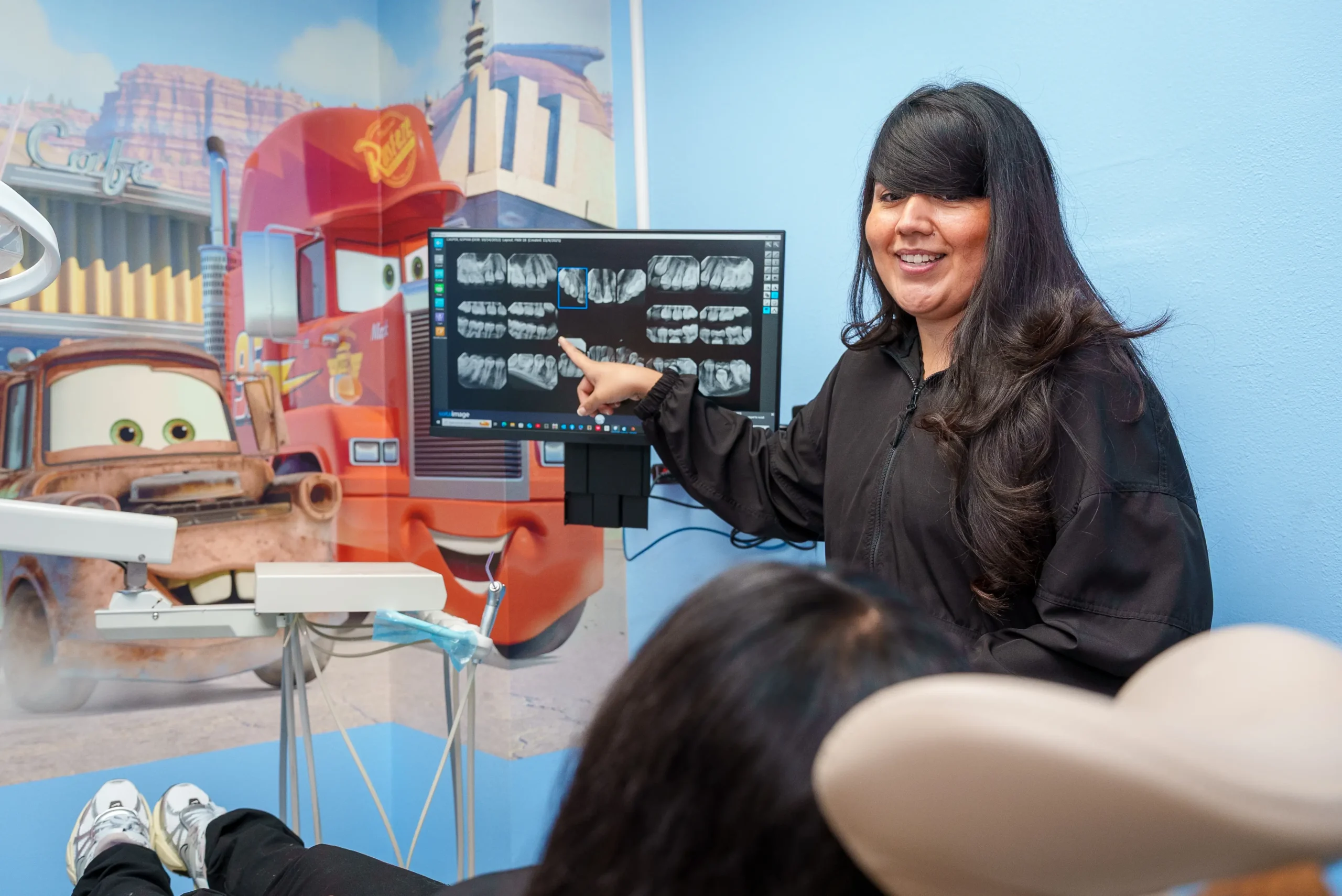
- Digital imaging
- Faster treatment methods
- Improved anesthetics
- More comfortable equipment
- Better communication
- Patient-centered care
These advancements have significantly improved the patient experience compared to previous generations.
Many patients who return to the dentist after years away are surprised by how comfortable modern dental visits can be.
The Importance of Communication
One of the most effective forms of dental anxiety treatment is open communication.
Patients should feel comfortable discussing their concerns before treatment begins.
Informing the dental team about anxiety allows them to:
- Explain procedures clearly
- Move at a comfortable pace
- Answer questions
- Provide reassurance
- Adjust treatment approaches
When patients understand what to expect, uncertainty often decreases significantly.
A supportive dental team can help transform a stressful appointment into a positive experience.
Practical Strategies to Reduce Dental Anxiety
There are several techniques patients can use to feel more relaxed before and during appointments.
Schedule Morning Appointments
Early appointments reduce the amount of time available for worry and anticipation.
Many patients find it easier to manage anxiety when treatment is scheduled earlier in the day.
Avoid Excessive Online Research
While education is important, reading worst-case scenarios online can increase stress unnecessarily.
Rely on information provided by qualified dental professionals whenever possible.
Practice Deep Breathing
Controlled breathing exercises can help calm the nervous system before and during treatment.
Simple breathing techniques include:
- Slow inhalation through the nose
- Brief pause
- Slow exhalation through the mouth
Repeating this process several times may help reduce anxiety.
Bring Headphones
Listening to music, podcasts, or calming audio can provide distraction and relaxation during appointments.
Use a Signal System
Many dentists encourage patients to raise a hand if they need a break during treatment.
Knowing you can pause at any time often increases feelings of control and comfort.
Building Trust With Your Dentist
Trust plays a major role in reducing dental anxiety.
When patients feel understood and respected, they are more likely to feel comfortable receiving care.
A strong dentist-patient relationship develops through:
- Honest communication
- Compassionate care
- Consistent experiences
- Personalized treatment plans
- Clear explanations
Over time, familiar visits often become less intimidating.
Patients who establish long-term relationships with their dental team frequently report lower levels of anxiety and greater confidence during appointments.
The Home page often provides valuable insight into a practice’s philosophy and commitment to patient comfort.
How Preventive Care Reduces Anxiety
One of the best ways to manage dental fear is to prevent major problems from developing in the first place.
Routine dental visits allow dentists to identify issues while they are still small and manageable.
Benefits of preventive care include:
- Shorter appointments
- Less invasive procedures
- Lower treatment costs
- Reduced risk of emergencies
- Improved oral health
When patients maintain regular checkups, they are less likely to face complex treatments that may increase anxiety.
Many preventive options can be found within the practice’s Services offerings.
Helping Children Avoid Dental Anxiety
Dental anxiety often begins during childhood. Creating positive experiences early can help children develop healthy attitudes toward dental care.
Parents can help by:
- Speaking positively about dental visits
- Avoiding negative stories
- Reading children’s dental books
- Scheduling regular checkups
- Celebrating successful appointments
A welcoming family-focused environment can make a significant difference in helping children feel comfortable.
Positive childhood experiences often lead to lifelong confidence in dental care.
What to Expect During a Comfort-Focused Dental Visit
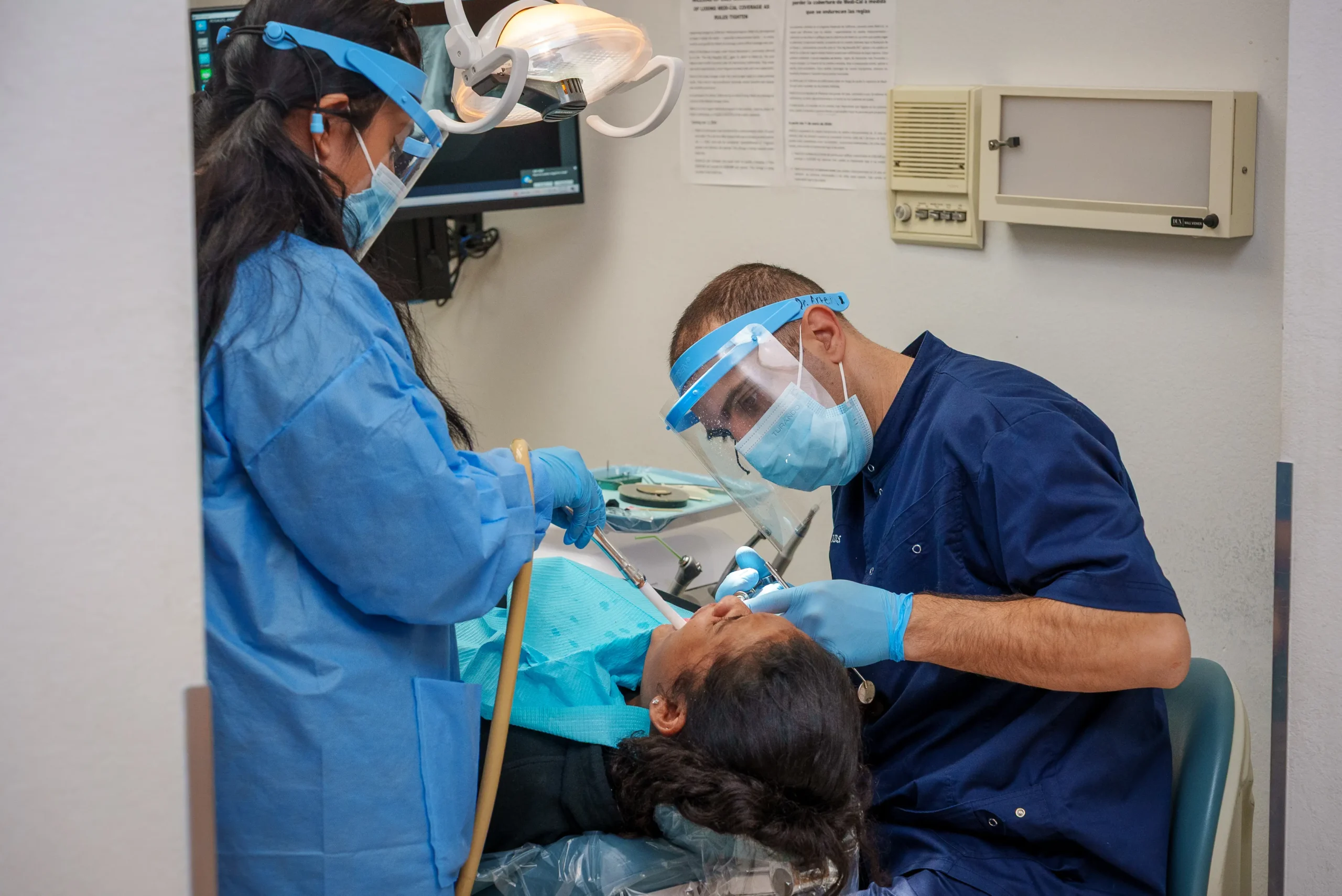
Many patients are surprised by how patient-centered modern dental appointments have become.
A comfort-focused visit may include:
Personalized Consultation
The dentist discusses concerns and answers questions before treatment begins.
Gentle Examination
A thorough evaluation helps identify any issues while allowing patients to become familiar with the environment.
Clear Treatment Planning
Patients receive detailed explanations about recommendations and options.
Ongoing Communication
Throughout treatment, the dental team checks on comfort levels and addresses concerns immediately.
These steps help reduce uncertainty and create a more positive experience.
Common Myths About Dental Anxiety
Myth 1: Everyone Feels Comfortable at the Dentist
Reality: Dental anxiety affects people of all ages and backgrounds.
Myth 2: Anxiety Means You’re Weak
Reality: Fear is a normal emotional response and nothing to be embarrassed about.
Myth 3: Avoiding Treatment Solves the Problem
Reality: Delaying care often leads to larger dental issues and increased anxiety.
Myth 4: Modern Dentistry Is Painful
Reality: Significant advances in technology and techniques have made treatment far more comfortable than many patients expect.
Understanding these misconceptions can help patients approach dental care with a more balanced perspective.
Taking the First Step Toward Better Oral Health
The most difficult part of overcoming dental anxiety is often scheduling the first appointment.
Once patients take that initial step, many discover their fears were greater than the actual experience.
If anxiety has caused you to postpone dental care, remember that dental professionals work with nervous patients every day. Their goal is to provide support, comfort, and guidance while helping you achieve better oral health.
Patients who have questions about procedures, appointment expectations, or comfort options may find helpful information in the FAQ section before scheduling a visit.
Many practices also offer special opportunities through Our Offers, helping patients access care in a convenient and affordable way.
A Healthier Smile Starts With Confidence
Dental fear should never stand between you and a healthy smile. Modern Dental Anxiety Treatment approaches focus on understanding patient concerns, creating comfortable experiences, and providing compassionate care that builds trust over time.
Whether your anxiety stems from a previous experience, fear of pain, or uncertainty about treatment, there are effective strategies available to help you feel calm and confident during dental visits.
By taking small steps, communicating openly, and maintaining regular preventive care, you can break the cycle of dental anxiety and enjoy better oral health for years to come.
To learn more about available dental services and patient-focused care, visit the Blog for additional resources and oral health tips. When you’re ready to take the first step toward a healthier smile, head to Contact Us and schedule an appointment with a caring dental team that understands your concerns and is committed to making your visit as comfortable as possible.