When people think about oral health problems, cavities are often the first issue that comes to mind. However, gum disease is one of the most common dental conditions affecting adults and can have serious consequences if left untreated. What makes gum disease particularly concerning is that it often develops slowly and painlessly, allowing it to progress without obvious warning signs.
Many individuals don’t realize they have gum disease until significant damage has already occurred. By that point, treatment may become more complex, expensive, and time-consuming. The good news is that gum disease is highly treatable when identified early.
Recognizing the Early Signs of Gum Disease can help protect your gums, preserve your teeth, and support your overall health. Understanding these warning signs allows you to seek treatment before minor gum inflammation develops into a more serious condition.
What Is Gum Disease?
Gum disease, also known as periodontal disease, is an infection of the tissues that support and surround the teeth.
It develops when plaque and bacteria accumulate along the gumline, causing inflammation and irritation.
Gum disease generally progresses through two stages:
Gingivitis
The earliest and most treatable stage.
Common symptoms include:
- Red gums
- Swelling
- Bleeding during brushing
At this stage, damage can often be reversed with professional treatment and improved oral hygiene.
Periodontitis
If gingivitis is left untreated, it may progress into periodontitis.
This advanced stage can cause:
- Gum recession
- Bone loss
- Loose teeth
- Tooth loss
Early detection is critical because treatment becomes more complex as the disease advances.
Families seeking comprehensive oral health care can learn more about a dental practice’s approach by visiting the About Us section.
Why Gum Disease Is So Common
Gum disease affects millions of people worldwide.
Several factors contribute to its prevalence, including:
- Inconsistent brushing
- Poor flossing habits
- Tobacco use
- Diabetes
- Hormonal changes
- Genetics
- Poor nutrition
- Irregular dental visits
Because symptoms often develop gradually, many individuals don’t recognize the problem until significant damage has already occurred.
This is why routine dental examinations remain so important.
Sign #1: Bleeding Gums While Brushing or Flossing
One of the earliest and most common signs of gum disease is bleeding gums.
Many people assume occasional bleeding is normal.
In reality, healthy gums generally should not bleed during routine brushing or flossing.
Bleeding often indicates inflammation caused by bacterial buildup along the gumline.
You may notice:
- Blood on your toothbrush
- Pink water while rinsing
- Bleeding during flossing
Although occasional irritation can occur, persistent bleeding should never be ignored.
Professional evaluation can help identify the underlying cause before the condition worsens.
Sign #2: Red or Swollen Gums
Healthy gums typically appear firm and pink.
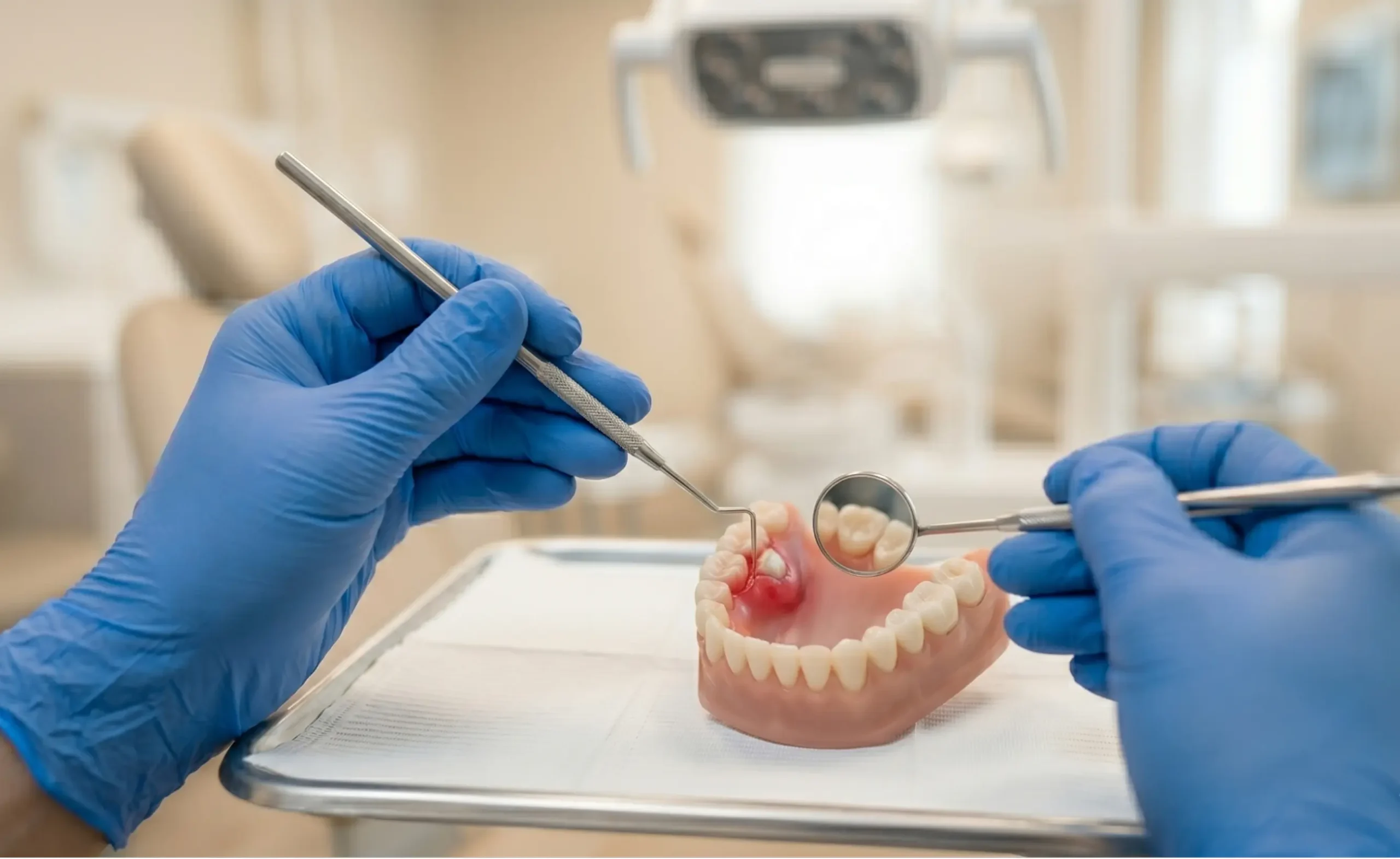
Inflamed gums often become:
- Red
- Tender
- Puffy
- Swollen
This inflammation occurs when the body’s immune system responds to bacteria accumulating around the teeth.
Swollen gums may feel uncomfortable when:
- Brushing
- Flossing
- Eating certain foods
Early treatment can help reduce inflammation and prevent further damage to supporting tissues.
Sign #3: Persistent Bad Breath
Occasional bad breath is normal, especially after consuming certain foods.
However, chronic bad breath may indicate an underlying oral health problem.
When bacteria accumulate below the gumline, they release compounds that create unpleasant odors.
Persistent bad breath associated with gum disease often remains even after:
- Brushing
- Flossing
- Using mouthwash
If bad breath continues despite good oral hygiene, a dental evaluation may be necessary.
Many preventive treatments that help address gum disease can be found through the Services section.
Sign #4: Gum Tenderness or Sensitivity
Healthy gums generally do not feel sore or sensitive.
As gum disease develops, patients may notice:
- Tenderness while brushing
- Discomfort during flossing
- Sensitivity while eating
- General gum soreness
These symptoms often indicate inflammation within the gum tissues.
While discomfort may initially seem minor, it can worsen if bacteria continue to accumulate.
Prompt attention helps prevent progression into more advanced stages of periodontal disease.
Sign #5: Receding Gums
Gum recession occurs when gum tissue gradually pulls away from the teeth.
This exposes more of the tooth surface and may eventually reveal the roots.
Common signs include:
- Teeth appearing longer
- Increased sensitivity
- Visible root surfaces
- Changes in gum appearance
Gum recession can result from several factors, including gum disease.
Because receding gums do not grow back naturally, early intervention is important.
Sign #6: Increased Tooth Sensitivity
As gums recede, tooth roots may become exposed.
Unlike enamel, root surfaces are not protected by the same hard outer layer.
As a result, patients may experience sensitivity to:
- Hot foods
- Cold beverages
- Sweet foods
- Air exposure
While sensitivity can have multiple causes, gum disease should always be considered as a potential factor.
Regular dental examinations help identify the source of discomfort and determine appropriate treatment.
Sign #7: Changes in the Way Teeth Fit Together
As gum disease progresses, supporting structures around the teeth may begin to weaken.
Patients sometimes notice:
- Changes in bite alignment
- Shifting teeth
- New gaps between teeth
- Difficulty chewing comfortably
These symptoms often indicate more advanced periodontal involvement.
Seeking treatment early greatly improves the chances of preserving natural teeth.
Sign #8: Loose Teeth
Teeth should feel stable and secure.
When gum disease damages the bone and tissues supporting the teeth, mobility may develop.
Warning signs include:
- Teeth feeling loose
- Movement while chewing
- Shifting tooth positions
Loose teeth should always be evaluated promptly.
Without treatment, continued bone loss may eventually result in tooth loss.
How Gum Disease Affects Overall Health
Many people are surprised to learn that gum disease can affect more than just the mouth.
Research suggests links between periodontal disease and several systemic conditions, including:
- Heart disease
- Diabetes
- Stroke
- Respiratory illnesses
- Pregnancy complications
Inflammation associated with gum disease may contribute to broader health concerns throughout the body.
Protecting gum health therefore supports overall wellness as well.
Educational resources discussing oral-systemic health connections are often available through the practice’s Blog.
Risk Factors for Gum Disease
Certain factors increase the likelihood of developing periodontal disease.
Common risk factors include:
Poor Oral Hygiene
Inadequate brushing and flossing allow plaque to accumulate.
Smoking
Tobacco use significantly increases gum disease risk.
Diabetes
Blood sugar management can influence gum health.
Genetics
Some individuals are naturally more susceptible.
Hormonal Changes
Pregnancy, puberty, and menopause may increase gum sensitivity.
Dry Mouth
Reduced saliva flow allows bacteria to thrive more easily.
Understanding personal risk factors helps patients take preventive measures.
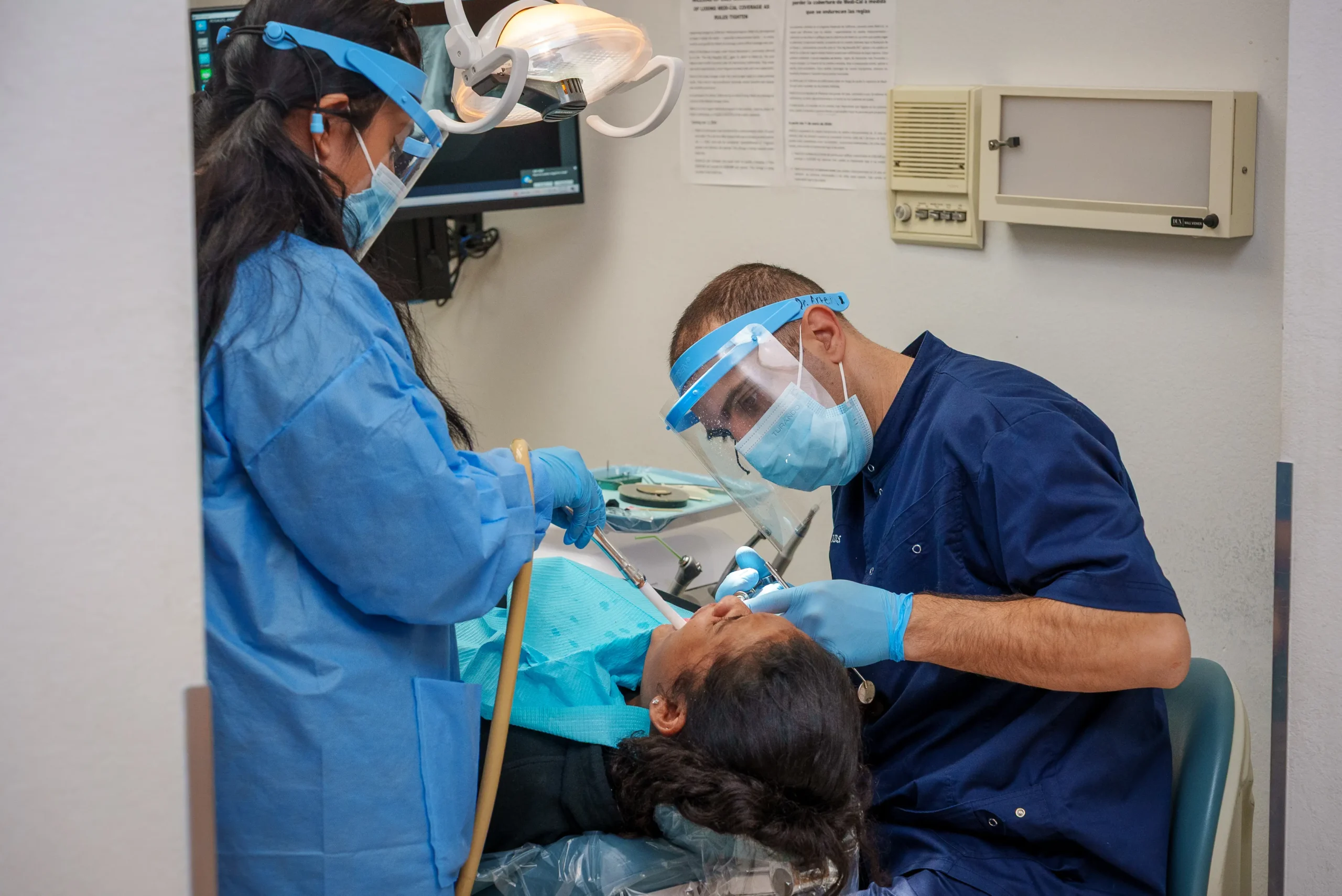
How Dentists Diagnose Gum Disease
During a dental examination, professionals evaluate:
- Gum appearance
- Pocket depths around teeth
- Bone support
- Signs of inflammation
- Bleeding tendencies
Diagnostic tools may include:
- Periodontal measurements
- Digital imaging
- Clinical examinations
Early diagnosis allows treatment to begin before significant damage occurs.
The FAQ section may answer common questions about periodontal evaluations and treatment options.
How Gum Disease Is Treated
Treatment depends on the severity of the condition.
Early-Stage Gingivitis
Treatment may include:
- Professional cleaning
- Improved home care
- Regular monitoring
Moderate to Advanced Disease
More extensive treatment may involve:
- Deep cleaning procedures
- Periodontal therapy
- Ongoing maintenance appointments
The earlier treatment begins, the more conservative it can often be.
How to Prevent Gum Disease
Preventive care remains the most effective defense against periodontal disease.
Healthy habits include:
Brush Twice Daily
Use fluoride toothpaste and proper brushing technique.
Floss Every Day
Flossing removes plaque between teeth where brushes cannot reach.
Schedule Routine Dental Visits
Professional cleanings help control plaque and tartar buildup.
Eat a Balanced Diet
Nutritious foods support healthy gums and immune function.
Avoid Tobacco Products
Smoking remains one of the strongest risk factors for gum disease.
Stay Hydrated
Saliva helps protect against bacterial accumulation.
Many dental practices also provide preventive care specials through Our Offers that make routine maintenance more accessible.
Why Early Detection Matters
The greatest advantage of recognizing gum disease early is that treatment becomes much simpler and more effective.
Early intervention can help:
- Preserve natural teeth
- Prevent bone loss
- Reduce treatment costs
- Improve comfort
- Support long-term oral health
Ignoring symptoms allows the condition to progress, increasing the risk of permanent damage.
Routine dental visits provide opportunities to detect problems before they become serious.
Protect Your Gums Before Problems Become Serious
Recognizing the Early Signs of Gum Disease can make a tremendous difference in your oral health. Symptoms such as bleeding gums, bad breath, swelling, sensitivity, and gum recession should never be dismissed as normal.
The earlier gum disease is identified, the easier it is to treat and manage. With proper oral hygiene, regular dental visits, and prompt attention to warning signs, you can protect your gums, preserve your natural teeth, and maintain a healthier smile for years to come.
To learn more about preventive dental care and gum health services, visit the Home page for additional information. If you’ve noticed any symptoms discussed in this guide or would like a professional evaluation, head to Contact Us and schedule an appointment with a dental team committed to helping you achieve optimal oral health.