Dental emergencies rarely happen at a convenient time. A severe toothache during the weekend, a broken tooth before an important event, or a sports-related dental injury can quickly turn into a stressful situation. Knowing how to respond during these moments can make a significant difference in protecting your oral health and reducing discomfort.
If you’re searching for an emergency dentist in Huntington Park, understanding which situations require immediate attention and what steps to take beforehand can help you stay calm and make informed decisions.
While not every dental issue is considered an emergency, some conditions require prompt treatment to prevent further complications, infection, or permanent damage. Acting quickly can often save a tooth, reduce pain, and improve treatment outcomes.
What Qualifies as a Dental Emergency?
Many people are unsure whether their situation requires urgent dental care. In general, a dental emergency involves severe pain, bleeding, infection, trauma, or damage that affects your ability to eat, speak, or function normally.
Common dental emergencies include:
- Severe toothaches
- Broken or chipped teeth
- Knocked-out teeth
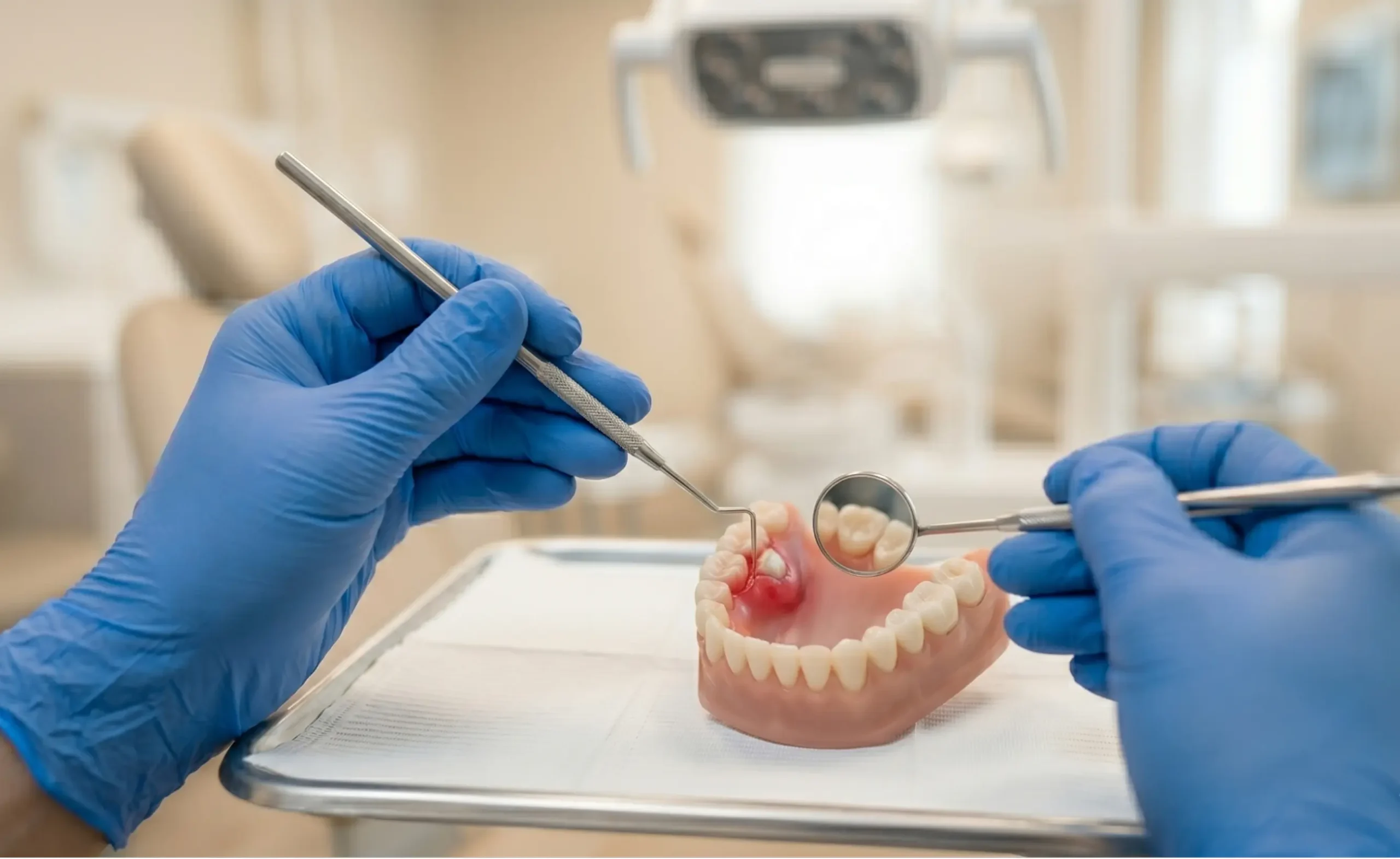
- Dental abscesses
- Lost fillings or crowns
- Swollen gums or jaw
- Uncontrolled bleeding
- Dental injuries from accidents
If you’re uncertain about the severity of your condition, it’s always best to contact a dental professional for guidance.
If you’re unsure whether your symptoms require urgent attention, our FAQ page provides helpful information about common dental concerns and treatment options.
Step 1: Stay Calm and Assess the Situation
The first step during any dental emergency is to remain calm. Panic can make it harder to think clearly and take the appropriate actions.
Evaluate:
- The level of pain
- Presence of bleeding
- Visible tooth damage
- Swelling
- Signs of infection
- Whether a tooth has been knocked out
Taking a moment to assess the situation can help you explain the problem accurately when contacting a dental office.
Step 2: Address Severe Tooth Pain Immediately
A persistent or intense toothache is often a sign that something more serious is occurring beneath the surface.
Possible causes include:
- Advanced tooth decay
- Infection
- Dental abscess
- Cracked tooth
- Gum disease
- Exposed tooth nerves
Until you can see an emergency dentist in Huntington Park, gently rinse your mouth with warm water and avoid placing aspirin directly on the gums, as it may cause irritation.
Many serious toothaches develop from untreated dental issues, which is why regular preventive care outlined throughout our Blog can help patients avoid unexpected emergencies.
Step 3: Protect a Broken or Chipped Tooth
A broken tooth may not always be painful, but it should never be ignored. Even minor fractures can expose sensitive inner layers of the tooth and increase the risk of infection.
If a tooth breaks:
- Save any pieces if possible
- Rinse your mouth gently
- Avoid chewing on the affected side
- Use a cold compress for swelling
- Seek professional evaluation promptly
Treatment may vary depending on the severity of the damage.
Patients with damaged teeth often discover that many restorative solutions available through our Services can help restore both appearance and function.
Step 4: Act Quickly for a Knocked-Out Tooth
A knocked-out tooth is one of the most time-sensitive dental emergencies.
If an adult tooth is completely dislodged:
- Pick it up by the crown, not the root.
- Gently rinse it if dirty.
- Avoid scrubbing the tooth.
- Try placing it back into the socket if possible.
- If not, store it in milk or saliva.
- Seek emergency dental care immediately.
The sooner treatment is received, the higher the chance the tooth can be successfully saved.
Step 5: Never Ignore Facial Swelling
Swelling around the gums, jaw, or face may indicate an infection that requires urgent attention.
Dental infections can spread beyond the mouth if left untreated, potentially leading to serious health complications.
Warning signs include:
- Fever
- Swelling
- Persistent pain
- Bad taste in the mouth
- Pus near the gums
- Difficulty swallowing
Professional evaluation should never be delayed when infection is suspected.
Learning more about our experienced dental team through the About Us page can help patients feel more comfortable seeking prompt treatment when emergencies arise.
Step 6: Handle Lost Crowns or Fillings Carefully
Although a lost filling or crown may not seem like an emergency initially, it can quickly become painful if the exposed tooth becomes sensitive.
Until your appointment:
- Avoid chewing on the affected side
- Keep the area clean
- Store the crown safely if it has fallen out
- Avoid sticky foods
Prompt replacement helps prevent additional damage and discomfort.
Step 7: Know When Bleeding Requires Immediate Care
Minor bleeding after an injury may stop on its own, but persistent bleeding should be evaluated promptly.
Apply gentle pressure using clean gauze and monitor the situation carefully.
Seek emergency care if:
- Bleeding continues after 15–20 minutes
- The injury involves significant trauma
- Swelling increases rapidly
- You experience dizziness or weakness
Timely treatment helps minimize complications and supports proper healing.
Step 8: Understand the Benefits of Same-Day Treatment
One of the biggest advantages of working with an emergency dentist in Huntington Park is access to same-day care when urgent situations arise.
Dental emergencies can worsen quickly when treatment is delayed.
Benefits of prompt treatment include:
- Faster pain relief
- Reduced risk of infection
- Improved treatment outcomes
- Lower likelihood of tooth loss
- Greater peace of mind
Patients looking for affordable treatment opportunities may benefit from checking our Our Offers page before scheduling their visit.
Step 9: Have a Trusted Emergency Dentist Before You Need One
Many people begin searching for emergency dental care only after a problem occurs. Unfortunately, this can add unnecessary stress during an already difficult situation.
Establishing a relationship with a local dental office before an emergency happens can make the process much easier.
You will already know:
- Office location
- Scheduling procedures
- Available services
- Treatment options
- Financial arrangements
Having a trusted provider gives you confidence when unexpected situations arise.
Whether you’re experiencing a dental emergency today or simply planning ahead, our Contact Us page makes it easy to connect with our team and schedule care.
How to Reduce the Risk of Future Dental Emergencies
While not every emergency can be prevented, many dental problems develop gradually over time.
Helpful prevention strategies include:
- Brushing twice daily
- Flossing regularly
- Wearing a mouthguard during sports
- Avoiding chewing hard objects
- Attending regular dental checkups
- Addressing minor issues early
Routine preventive care often identifies small concerns before they become painful emergencies.
For additional oral health guidance and practical tips, visit our Blog for educational resources designed to help patients maintain healthy smiles year-round.
Frequently Asked Questions
How quickly should I see an emergency dentist for severe tooth pain?
Severe or persistent tooth pain should be evaluated as soon as possible, especially if swelling, fever, or infection symptoms are present.
Can a knocked-out tooth be saved?
Yes. In many cases, a knocked-out tooth can be successfully reimplanted if treatment is received quickly.
Is a broken tooth always a dental emergency?
Not always, but even minor fractures should be examined to prevent further damage and potential infection.
What should I do if my dental crown falls off?
Keep the crown safe, avoid chewing on that side, and schedule an appointment as soon as possible for evaluation and replacement.
Final Thoughts
Dental emergencies can be painful, stressful, and unpredictable. Knowing how to respond quickly and seeking professional care as soon as possible can help protect your oral health and prevent more serious complications.
Whether you’re dealing with severe tooth pain, a broken tooth, swelling, or a dental injury, an experienced emergency dentist in Huntington Park can provide the prompt treatment needed to restore comfort and protect your smile. Acting quickly often makes the difference between a simple solution and a more complex dental problem, making timely care one of the most important steps you can take during any dental emergency.