When most people think about dental care, they often focus on treating problems after they occur. A cavity develops, a tooth starts hurting, or gum disease begins causing discomfort. However, modern dentistry is built around a much more effective approach: prevention.
Preventive dental care is one of the most important investments you can make in your long-term oral health. Instead of waiting for issues to appear, preventive dentistry focuses on stopping problems before they start. This proactive approach helps protect your teeth, gums, and overall health while reducing the need for extensive and costly treatments in the future.
Many common dental conditions, including cavities, gum disease, enamel erosion, and tooth loss, are largely preventable with the right combination of professional care and healthy daily habits.
Whether you’re looking to improve your oral hygiene routine or simply want to better understand how preventive dentistry works, this guide will walk you through everything you need to know about Preventive Dental Care and why it plays such a critical role in maintaining a healthy smile.
What Is Preventive Dental Care?
Preventive dental care refers to the ongoing practices and treatments designed to maintain oral health and prevent dental problems before they develop.
Rather than focusing solely on treatment, preventive dentistry emphasizes:
- Early detection
- Routine maintenance
- Patient education
- Risk reduction
- Long-term oral wellness
Preventive care involves both professional dental services and daily habits performed at home.
Together, these efforts help preserve natural teeth, reduce dental complications, and support overall health throughout every stage of life.
For families interested in comprehensive oral health solutions, the About Us section often provides insight into a dental practice’s preventive care philosophy.
Why Preventive Dentistry Matters
Many dental problems begin silently.
Cavities can form without noticeable symptoms. Gum disease may progress slowly over months or years. Small cracks in teeth can worsen before causing pain.
Without regular monitoring, these issues often go unnoticed until they require more complex treatment.
Preventive dental care helps:
- Detect problems early
- Reduce treatment costs
- Minimize discomfort
- Preserve natural teeth
- Improve overall health
- Maintain a confident smile
The earlier dental issues are identified, the easier and more affordable they typically are to treat.
The Connection Between Oral Health and Overall Health
Oral health is closely connected to overall wellness.
Research continues to show links between poor oral health and several systemic health conditions, including:
- Heart disease
- Diabetes
- Respiratory infections
- Pregnancy complications
- Chronic inflammation
When harmful bacteria accumulate in the mouth, they can contribute to health concerns beyond the teeth and gums.
Maintaining good oral hygiene and receiving regular dental care supports both dental health and overall well-being.
The Core Components of Preventive Dental Care
Effective preventive care involves several important elements working together.
Regular Dental Examinations
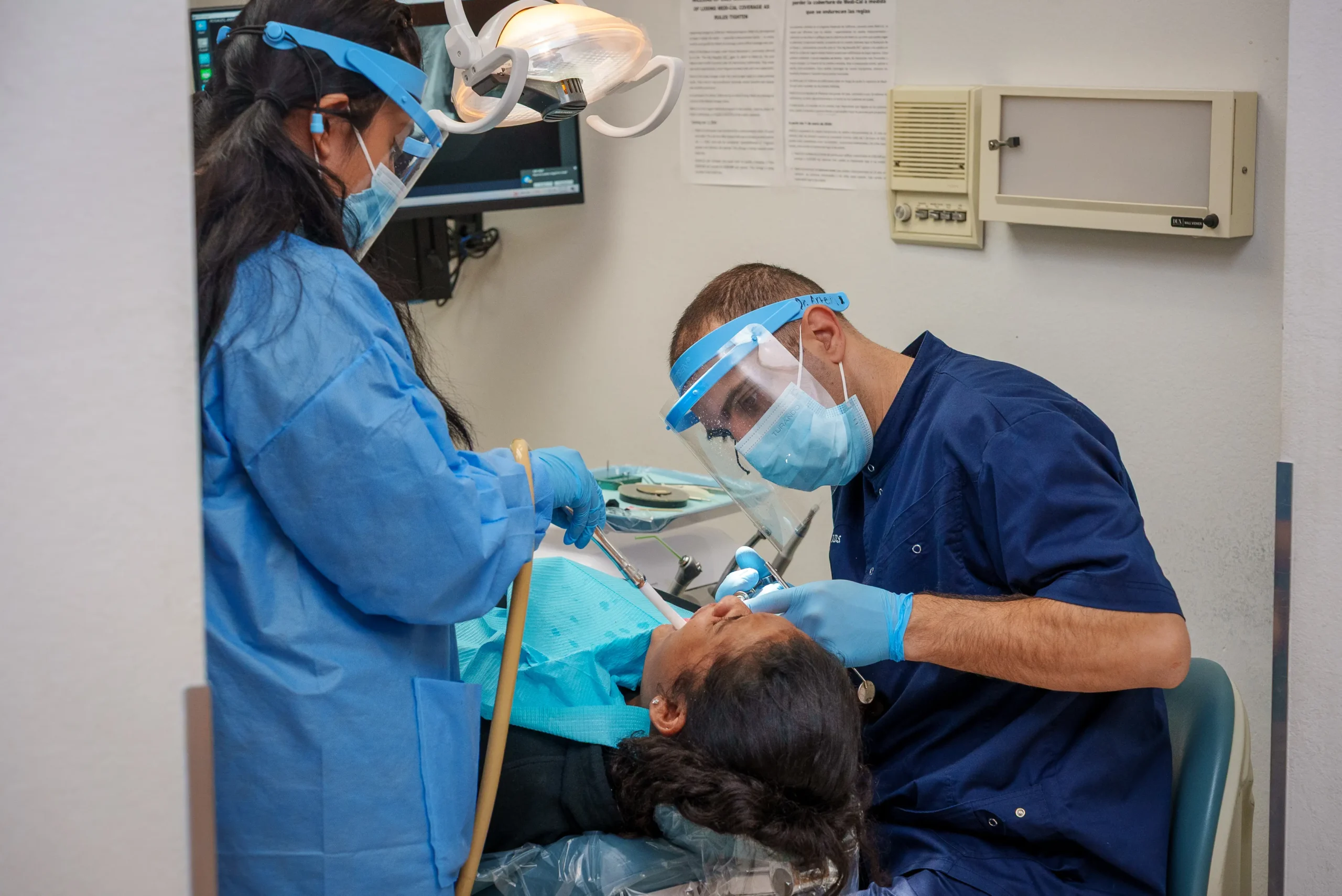
Routine dental exams allow dentists to identify potential concerns before they become serious.
During an examination, the dentist evaluates:
- Teeth
- Gums
- Bite alignment
- Existing restorations
- Oral tissues
- Jaw health
Regular examinations often reveal problems long before symptoms appear.
Professional Dental Cleanings
Even with excellent brushing and flossing habits, plaque can accumulate in hard-to-reach areas.
Professional cleanings help remove:
- Plaque buildup
- Tartar deposits
- Surface stains
- Harmful bacteria
Cleanings also provide an opportunity for dental professionals to monitor oral health and reinforce healthy habits.
Many preventive services can be explored in greater detail through the Services section.
Daily Habits That Protect Your Smile
Professional care is important, but preventive dentistry begins at home.
Consistent daily habits play a major role in maintaining healthy teeth and gums.
Brush Twice Daily
Brushing removes food particles, bacteria, and plaque from tooth surfaces.
For best results:
- Brush for two minutes
- Use fluoride toothpaste
- Reach all tooth surfaces
- Replace your toothbrush regularly
Floss Every Day
Flossing removes plaque and debris from areas your toothbrush cannot reach.
Skipping flossing allows bacteria to accumulate between teeth, increasing the risk of cavities and gum disease.
Use Mouthwash When Recommended
Antibacterial mouthwash may help reduce bacteria and support gum health when used as part of a complete oral hygiene routine.
Understanding Plaque and Tartar
Preventive dental care focuses heavily on controlling plaque.
Plaque is a sticky film of bacteria that constantly forms on teeth.
If plaque is not removed through brushing and flossing, it hardens into tartar.
Unlike plaque, tartar cannot be removed at home and requires professional cleaning.
Excessive plaque and tartar buildup contribute to:
- Cavities
- Gum inflammation
- Bad breath
- Periodontal disease
Routine cleanings help keep these issues under control.
Preventing Cavities Before They Start
Cavities are among the most common dental problems, but they are also highly preventable.
To reduce cavity risk:
Limit Sugary Foods and Drinks
Bacteria feed on sugars and produce acids that attack tooth enamel.
Reducing sugar intake helps lower cavity risk.
Drink More Water
Water helps rinse away food particles and supports saliva production.
Choose Tooth-Friendly Snacks
Healthy options include:
- Cheese
- Nuts
- Fresh vegetables
- Yogurt
- Apples
Visit Your Dentist Regularly
Routine examinations allow dentists to identify early signs of decay before cavities become larger problems.
Gum Disease Prevention
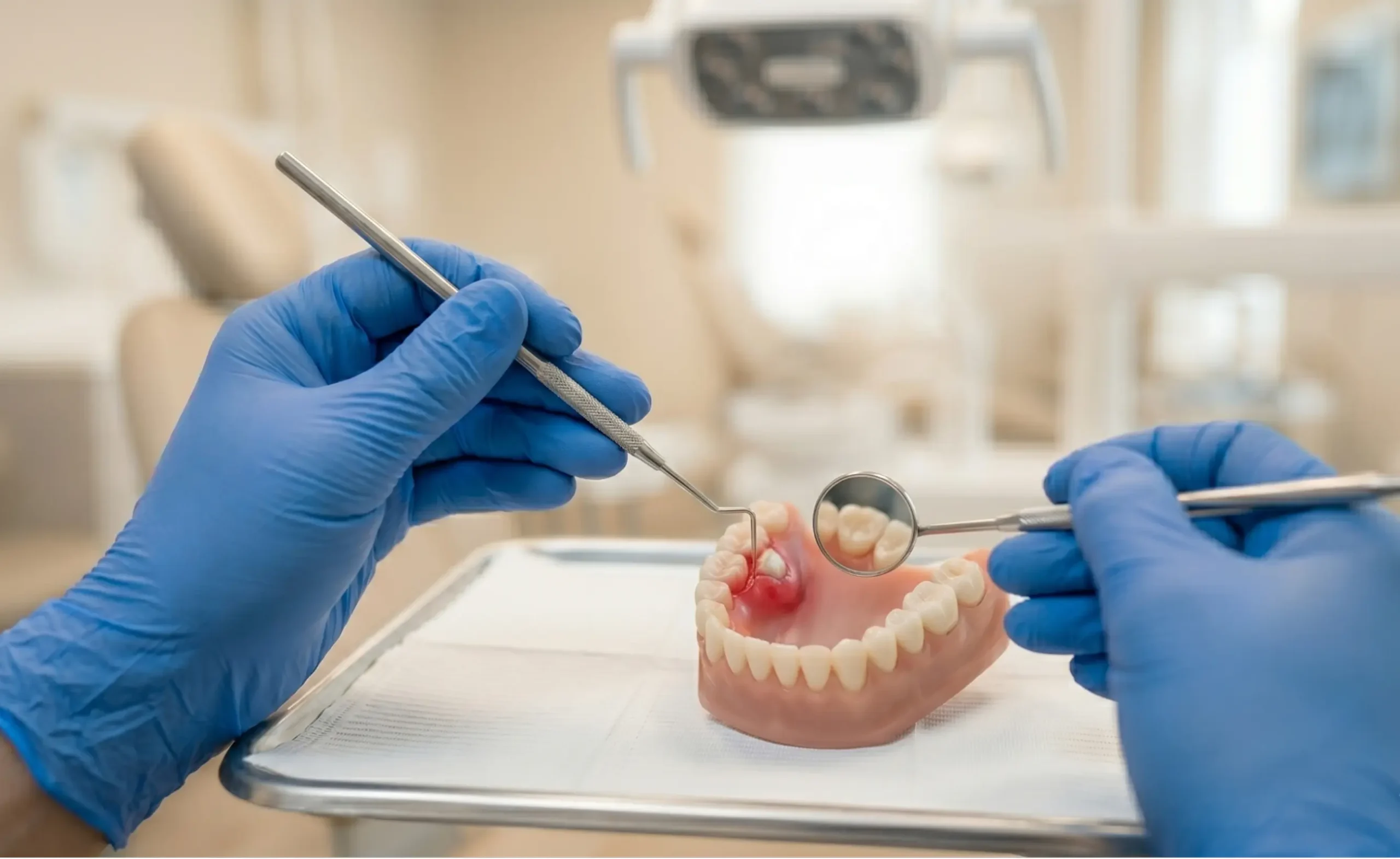
Gum disease affects millions of adults and is a leading cause of tooth loss.
The earliest stage, gingivitis, often causes:
- Red gums
- Swelling
- Bleeding while brushing
Fortunately, gingivitis is reversible when treated early.
Preventive strategies include:
- Daily brushing
- Flossing
- Professional cleanings
- Avoiding tobacco products
- Maintaining routine dental visits
Addressing gum inflammation early helps prevent progression to more advanced periodontal disease.
The Role of Fluoride in Preventive Dentistry
Fluoride plays a vital role in strengthening enamel and protecting teeth from decay.
Benefits of fluoride include:
- Remineralizing weakened enamel
- Reducing cavity risk
- Supporting long-term tooth strength
Fluoride is commonly found in:
- Toothpaste
- Mouth rinses
- Professional treatments
- Community water supplies
Your dentist can recommend the most appropriate fluoride options based on your individual needs.
Dental Sealants: Extra Protection for Teeth
Dental sealants are thin protective coatings applied to the chewing surfaces of teeth.
Sealants help:
- Block food particles
- Reduce bacterial buildup
- Protect deep grooves
- Lower cavity risk
Children often benefit from sealants, but some adults may also be candidates.
This simple preventive treatment can provide long-term protection against decay.
Why Children Need Preventive Dental Care
Preventive care begins early.
Children who establish healthy dental habits during childhood are more likely to maintain good oral health as adults.
Benefits include:
- Fewer cavities
- Positive dental experiences
- Better oral hygiene habits
- Early identification of developmental concerns
Parents can reinforce preventive care by encouraging regular brushing, healthy eating, and routine dental visits.
Helpful family-focused resources are often available through the practice’s Blog.
Preventive Dentistry Saves Money
Many people view dental visits as an expense. In reality, preventive care often saves money over time.
Consider the difference between:
- A routine cleaning versus advanced gum disease treatment
- A small filling versus a root canal and crown
- Early cavity detection versus tooth extraction
Preventive dentistry helps reduce the likelihood of expensive restorative procedures while preserving natural teeth.
Regular maintenance is almost always more affordable than emergency treatment.
Signs You Should Schedule a Dental Visit
Even if you practice excellent oral hygiene, certain symptoms warrant professional evaluation.
Watch for:
- Tooth sensitivity
- Persistent bad breath
- Bleeding gums
- Tooth pain
- Loose teeth
- Swollen gums
- Changes in your bite
Early attention can prevent minor concerns from becoming serious problems.
Many practices offer flexible appointment options and special promotions through Our Offers that make preventive care more accessible.
Building a Lifetime of Healthy Smiles
Preventive dental care is not a one-time event. It is an ongoing commitment to maintaining healthy teeth and gums throughout life.
By combining professional dental visits with strong home care habits, patients can significantly reduce their risk of cavities, gum disease, tooth loss, and other oral health concerns.
Consistency is the key. Small daily efforts often produce the greatest long-term results.
Whether you’re caring for a child’s developing smile or maintaining your own oral health as an adult, preventive dentistry provides the foundation for lasting success.
If you have questions about maintaining your oral health, the FAQ section may provide additional guidance and answers to common concerns.
Invest in Prevention Today for a Healthier Tomorrow
A healthy smile doesn’t happen by accident. It is built through regular maintenance, healthy habits, and proactive care.
Effective Preventive Dental Care helps protect your teeth, preserve your gums, reduce treatment costs, and support overall wellness for years to come.
By making prevention a priority today, you can enjoy stronger teeth, healthier gums, and greater confidence in your smile tomorrow.
To learn more about preventive services and family-focused dental care, visit the Home page for additional information. When you’re ready to take the next step toward better oral health, head to Contact Us and schedule your next dental appointment with a trusted dental team dedicated to helping you maintain a lifetime of healthy smiles.