Many people brush their teeth twice a day, floss regularly, and do their best to maintain good oral hygiene at home. While these habits are essential, they are only part of the equation when it comes to protecting your oral health. Even the most diligent brushing and flossing routines cannot remove all plaque and tartar buildup, which is why regular professional dental cleanings remain one of the most important preventive services in dentistry.
Unfortunately, some individuals view dental cleanings as optional or only necessary when a problem develops. In reality, professional cleanings play a critical role in preventing cavities, gum disease, tooth loss, and other oral health concerns before they become serious issues.
A healthy smile requires more than treating problems after they occur—it requires consistent preventive care. Understanding the value of Professional Teeth Cleaning can help you make informed decisions about your oral health and avoid unnecessary complications in the future.
What Is Professional Teeth Cleaning?
Professional teeth cleaning is a preventive dental procedure performed by a dental hygienist or dentist to remove plaque, tartar, and stains that cannot be eliminated through regular brushing and flossing alone.
The primary goal of professional cleaning is to maintain healthy teeth and gums while preventing common dental problems.
During a routine cleaning, dental professionals:
- Remove plaque buildup
- Eliminate hardened tartar
- Polish teeth
- Evaluate gum health
- Identify potential concerns
- Provide oral hygiene recommendations
These appointments are designed to keep your smile healthy and detect issues early before they require more extensive treatment.
To learn more about preventive dental care services, patients can visit the Services section.
Why Brushing Alone Isn’t Enough
Brushing is one of the most important habits for maintaining oral health. However, even individuals who brush carefully every day can develop plaque in areas that are difficult to reach.
Plaque is a sticky film of bacteria that constantly forms on teeth.
When plaque is not removed effectively, it can harden into tartar.
Unlike plaque, tartar cannot be removed with a toothbrush.
Once tartar forms, professional dental instruments are required to safely remove it.
This is one of the main reasons routine professional cleanings remain necessary, regardless of how well someone brushes at home.
Understanding Plaque and Tartar
To understand the importance of professional cleaning, it helps to know the difference between plaque and tartar.
Plaque
Plaque is:
- Soft
- Sticky
- Colorless
- Filled with bacteria
Plaque develops throughout the day as bacteria interact with food particles and sugars in the mouth.
Tartar
Tartar develops when plaque remains on teeth long enough to harden.
Tartar:
- Cannot be removed by brushing
- Creates rough surfaces
- Encourages additional bacterial buildup
- Increases gum disease risk
Regular professional cleanings prevent tartar from accumulating and damaging oral tissues.
Preventing Cavities Through Professional Cleaning
One of the biggest benefits of professional teeth cleaning is cavity prevention.
Cavities occur when bacteria produce acids that gradually weaken tooth enamel.
Plaque buildup significantly increases the risk of decay.
Professional cleanings help:
- Remove harmful bacteria
- Eliminate plaque deposits
- Reduce acid production
- Protect enamel
By reducing bacterial accumulation, cleanings lower the likelihood of cavities developing between appointments.
Preventive care is almost always easier and more affordable than restorative treatment.
Protecting Your Gums From Disease
Gum disease is one of the most common oral health conditions affecting adults.
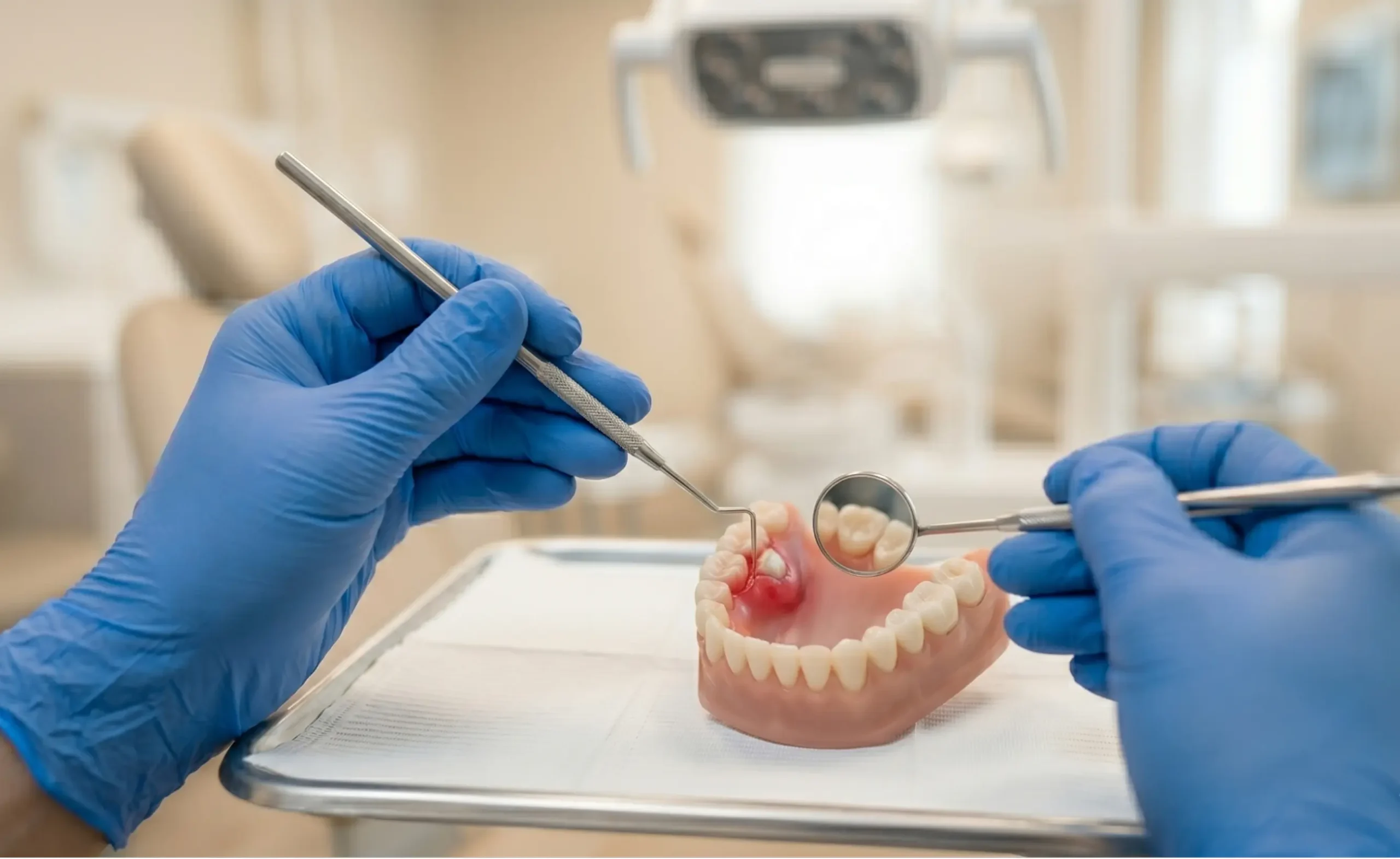
The earliest stage, known as gingivitis, often causes:
- Red gums
- Swelling
- Bleeding while brushing
- Persistent bad breath
If left untreated, gingivitis can progress into periodontitis, a more serious condition that may lead to tooth loss.
Professional cleanings help prevent gum disease by removing bacteria and tartar from areas where inflammation commonly begins.
Healthy gums provide the foundation for healthy teeth.
Professional Teeth Cleaning and Bad Breath
Occasional bad breath is normal, especially after consuming certain foods.
However, persistent bad breath may indicate a buildup of bacteria, plaque, or tartar.
Professional cleanings help address bad breath by:
- Removing odor-causing bacteria
- Improving gum health
- Eliminating trapped debris
- Supporting better oral hygiene
Many patients notice fresher breath immediately following a professional cleaning appointment.
Early Detection of Dental Problems
A professional cleaning appointment involves more than simply polishing teeth.
During your visit, dental professionals evaluate your oral health and look for signs of potential problems.
This may include identifying:
- Cavities
- Gum disease
- Cracked teeth
- Oral infections
- Bite issues
- Oral cancer concerns
Early detection often allows treatment to begin before symptoms become severe.
This proactive approach helps preserve teeth while reducing treatment costs.
Patients interested in learning more about a practice’s preventive philosophy can explore the About Us section.
Professional Cleanings Help Preserve Natural Teeth
Tooth loss is often associated with aging, but age alone is not the primary cause.
Most tooth loss results from:
- Advanced decay
- Gum disease
- Untreated infections
Routine professional cleanings help reduce these risks by maintaining a healthier oral environment.
The longer natural teeth remain healthy, the less likely patients are to require extensive restorative procedures in the future.
The Cosmetic Benefits of Professional Cleaning
While professional cleanings primarily focus on oral health, they also offer cosmetic advantages.
Over time, surface stains can develop from:
- Coffee
- Tea
- Red wine
- Tobacco products
- Certain foods
Professional polishing helps remove many superficial stains, leaving teeth cleaner and brighter.
Although professional cleaning is not the same as whitening treatment, it can noticeably improve the appearance of a smile.
How Often Should You Schedule a Professional Cleaning?
Most patients benefit from professional cleanings every six months.
However, some individuals may require more frequent visits depending on factors such as:
- Gum disease history
- Smoking habits
- Diabetes
- Increased plaque buildup
- Orthodontic treatment
Your dentist will recommend a schedule based on your specific oral health needs.
Consistent appointments are key to maintaining long-term dental health.
What Happens During a Professional Teeth Cleaning?
Many patients feel more comfortable when they know what to expect.
A routine cleaning typically includes several steps.
Examination
The dental team evaluates the teeth and gums before beginning treatment.
Plaque and Tartar Removal
Specialized instruments are used to safely remove hardened deposits.
Polishing
Teeth are polished to remove surface stains and create a smooth finish.
Flossing
A thorough flossing helps remove remaining debris.
Oral Health Review
The dental professional may discuss:
- Home care habits
- Areas needing improvement
- Future treatment recommendations
The process is generally comfortable and relatively quick for most patients.
Professional Cleanings for Children
Children benefit greatly from preventive dental care.
Regular cleanings help:
- Reduce cavity risk
- Teach healthy habits
- Monitor development
- Build positive dental experiences
Early preventive care often establishes the foundation for lifelong oral health.
Family-oriented practices frequently provide resources and educational content through their Blog to help parents support their children’s dental wellness.
The Financial Benefits of Preventive Care
Some people postpone cleanings because they believe they are saving money.
In reality, preventive care often reduces overall dental expenses.
Consider the difference between:
- A routine cleaning and a root canal
- Preventive care and tooth extraction
- Early treatment and emergency dentistry
Addressing problems early is usually less expensive than waiting until they become severe.
Professional cleanings represent one of the most cost-effective investments in oral health.
Patients may also find valuable savings opportunities through Our Offers.
Signs You May Need a Cleaning Sooner
While routine six-month visits work well for many people, certain symptoms may indicate the need for an earlier appointment.
Watch for:
- Bleeding gums
- Persistent bad breath
- Excessive plaque buildup
- Tooth sensitivity
- Swollen gums
- Visible tartar
Prompt evaluation can help prevent minor issues from progressing.
If you’re unsure whether a cleaning is needed, the FAQ section may provide additional guidance.
Professional Cleaning Supports Overall Health
Oral health and general health are closely connected.
Research has linked poor oral health to several conditions, including:
- Heart disease
- Diabetes
- Respiratory infections
- Chronic inflammation
Maintaining healthy teeth and gums through regular cleanings supports both oral wellness and overall well-being.
A healthy mouth contributes to a healthier body.
Invest in Your Smile Before Problems Begin
Many dental problems develop gradually and silently. By the time symptoms appear, treatment may already be necessary.
Routine Professional Teeth Cleaning appointments help prevent cavities, reduce gum disease risk, improve breath, preserve natural teeth, and support overall health.
Preventive care remains one of the most effective ways to maintain a strong, healthy smile throughout life. Rather than waiting for pain or discomfort to signal a problem, regular cleanings allow you to stay ahead of potential issues and protect your oral health for years to come.
To learn more about preventive dental services and family-focused care, visit the Home page for additional information. When you’re ready to schedule your next cleaning or discuss your oral health goals, head to Contact Us and connect with a dental team dedicated to helping you achieve and maintain a healthy smile.