Root Canal in California: A Safe Solution to Severe Tooth Pain
Root Canal in California is one of the most searched dental treatments because tooth pain can quickly disrupt daily life. A root canal is a proven procedure designed to remove infection, relieve discomfort, and save a natural tooth that would otherwise need extraction. For patients across California, understanding the process helps reduce fear and encourages timely treatment.
Many people delay care due to misconceptions about pain or recovery. Modern root canal treatment is comfortable, efficient, and focused on long-term oral health. Knowing what to expect allows patients to move forward with confidence.
What Is a Root Canal and Why Is It Needed?
A root canal is performed when the inner pulp of a tooth becomes infected or inflamed. This infection can result from deep decay, cracks, trauma, or repeated dental procedures. Without treatment, infection can spread, causing severe pain, swelling, and even bone damage.
Root canal treatment removes the infected tissue, cleans the tooth interior, and seals it to prevent reinfection. Patients exploring tooth-saving procedures often begin by learning about comprehensive dental services that prioritize preservation over extraction.
Common Symptoms That Indicate a Root Canal
Patients seeking Root Canal in California often experience symptoms such as persistent toothache, sensitivity to hot or cold, swelling around the gums, or pain when chewing. In some cases, infection may exist without obvious pain, making regular dental exams essential.
Early diagnosis allows for simpler treatment and better outcomes. Ignoring symptoms can lead to complications that require more extensive care.
The Root Canal Procedure Explained
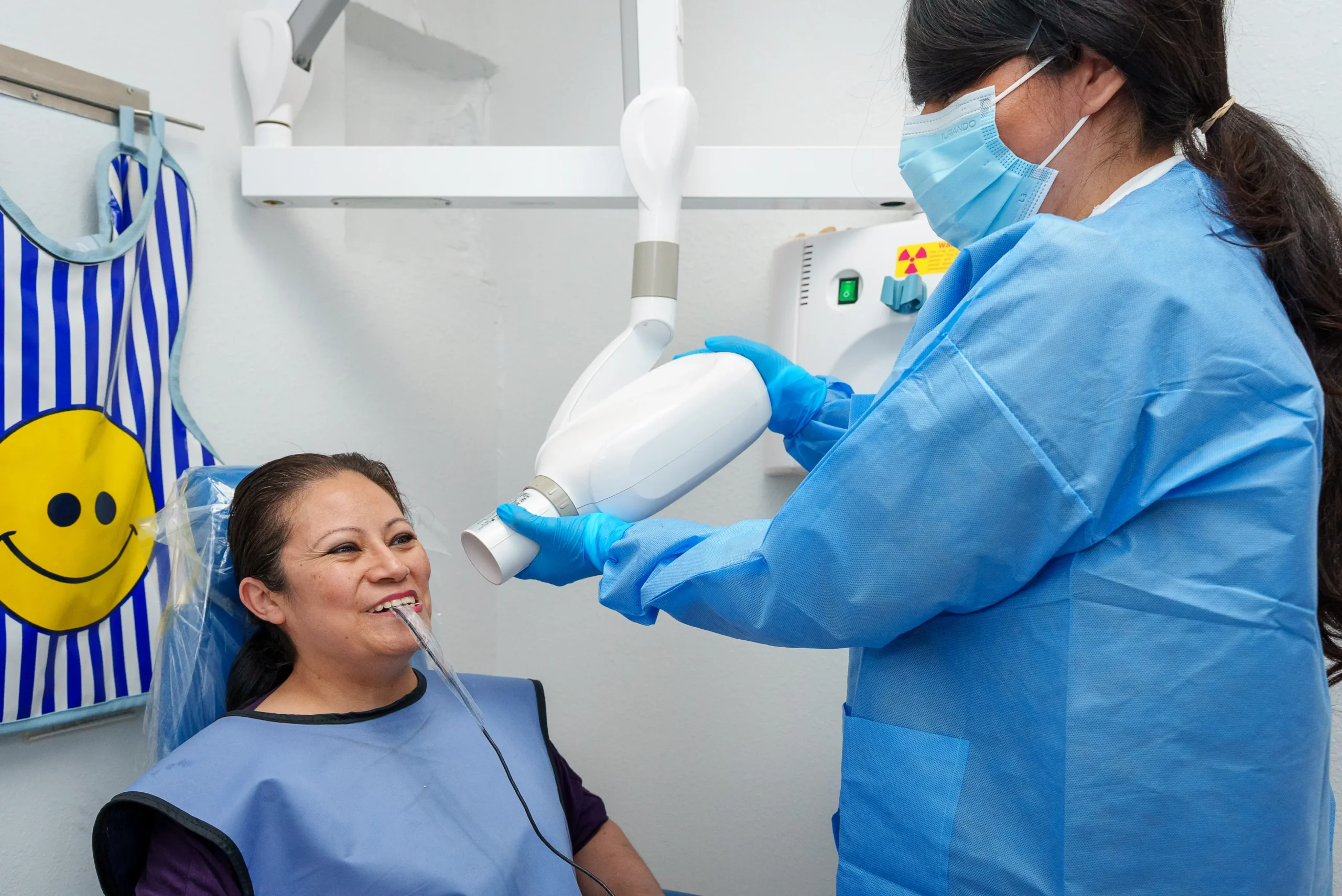
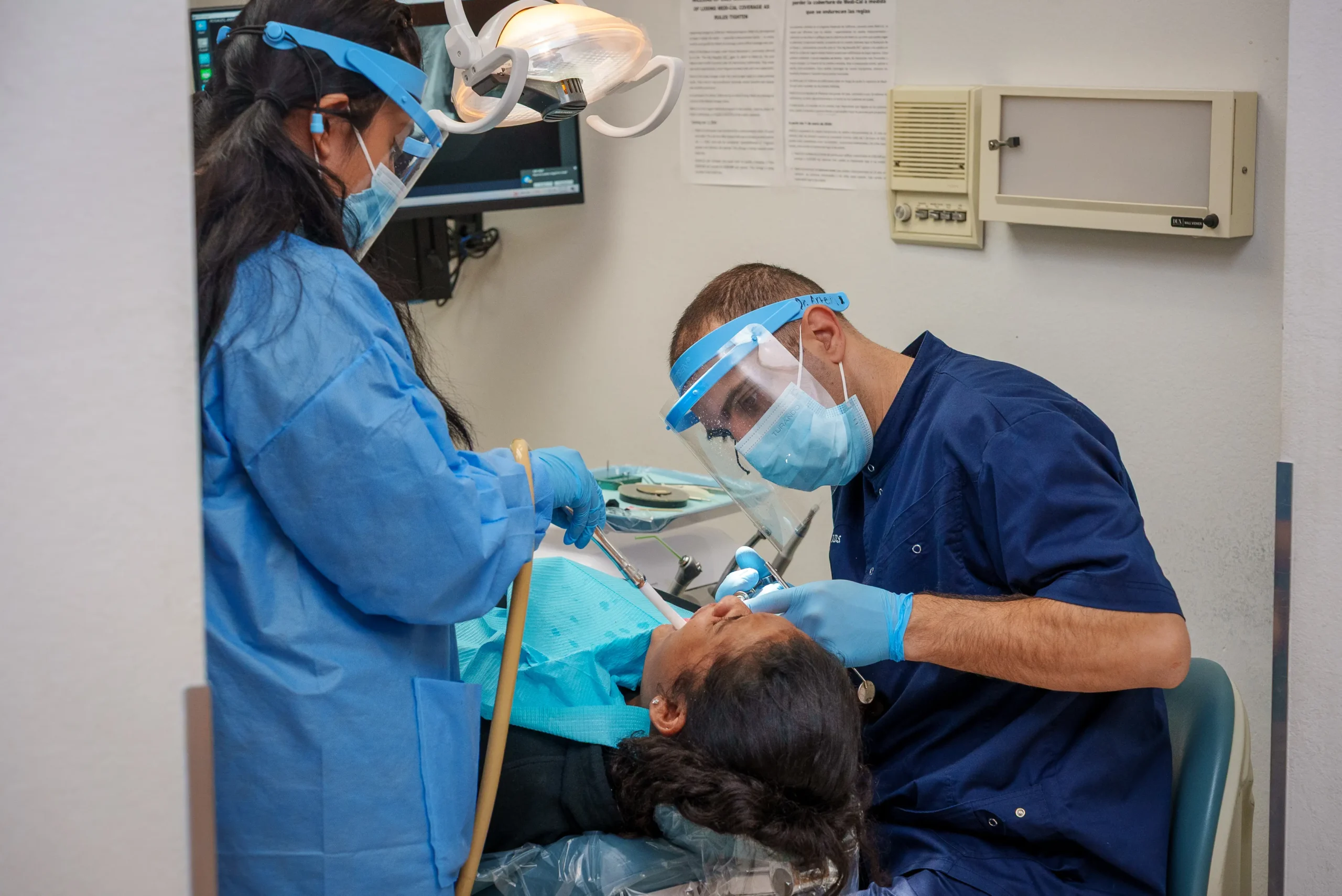
The root canal process typically begins with a thorough examination and imaging to assess the extent of infection. Local anesthesia is used to ensure comfort throughout the procedure. The dentist then removes infected pulp, cleans the canals, and disinfects the tooth.
Once cleaned, the canals are filled and sealed to prevent bacteria from returning. In most cases, a crown is recommended afterward to restore strength and protect the tooth from fracture.
Is Root Canal Treatment Painful?
One of the biggest concerns about Root Canal in California is pain. Modern dentistry has transformed the experience. With advanced anesthesia and techniques, most patients report feeling little to no discomfort during the procedure.
In fact, root canal treatment relieves pain rather than causes it. Post-treatment soreness is usually mild and temporary, managed easily with over-the-counter medication.
Cost Factors for Root Canal Treatment in California
The cost of a root canal varies based on tooth location, complexity, and whether additional restoration is needed. Molars typically cost more due to multiple canals and accessibility challenges.
Dental insurance often covers a portion of root canal treatment, classifying it as a major restorative procedure. Discussing estimates and coverage during your visit helps prevent unexpected expenses.
Importance of Timely Treatment
Delaying root canal treatment can lead to worsening infection and tooth loss. Once the pulp is infected, the tooth cannot heal on its own. Prompt treatment saves the tooth and prevents bacteria from spreading to surrounding tissues.
Patients who act early often avoid more invasive and costly procedures.
Why Choosing the Right Dentist Matters
Experience and precision are essential for successful root canal outcomes. A skilled dentist ensures thorough cleaning, proper sealing, and long-term stability. Poorly performed treatment can lead to reinfection or discomfort.
Learning about a dental provider’s philosophy and expertise through a detailed about us section helps patients feel comfortable and informed.
Root Canal and Crown Placement
After a root canal, the treated tooth becomes more fragile. A dental crown is usually recommended to restore strength and function. This step is crucial for long-term success and prevents future fractures.
Patients benefit from a coordinated treatment plan that addresses both infection and restoration.
Recovery and Aftercare
Recovery after a root canal is generally smooth. Patients may experience mild sensitivity for a few days. Following aftercare instructions, maintaining oral hygiene, and attending follow-up visits ensure optimal healing.
Avoiding chewing on the treated tooth until fully restored protects the area during recovery.
Insurance, Payment Options, and Accessibility
Many California dental practices assist patients with insurance verification and flexible payment options. Understanding coverage limits and financial plans helps make treatment accessible.
Reviewing common questions through a helpful dental FAQ resource allows patients to prepare for treatment confidently.
Trusting Reliable Dental Information
Educational organizations such as the American Dental Association provide evidence-based information on root canal treatment, safety, and outcomes. Trusted sources help patients separate facts from myths.
Accurate information empowers patients to make informed healthcare decisions.
Long-Term Benefits of Root Canal Treatment
Root canal treatment preserves the natural tooth, maintains bite alignment, and prevents shifting of surrounding teeth. Keeping your natural tooth supports overall oral health and function.
Patients who choose root canal treatment often experience relief, restored comfort, and improved quality of life.
When to Schedule a Consultation
If you are experiencing tooth pain or sensitivity, scheduling an evaluation promptly is essential. Early diagnosis improves outcomes and simplifies treatment.
Booking a consultation through a professional dental contact page allows you to discuss symptoms, treatment options, and next steps clearly.
Protecting Your Smile in California
Root Canal in California is a reliable, effective treatment that saves teeth and eliminates pain. With modern techniques, experienced care, and proper restoration, patients can expect long-lasting results.
Taking action early protects your smile, oral health, and overall well-being for years to come.