Tooth pain can range from mild discomfort to severe, persistent pain that affects your daily life. While some dental issues may resolve with simple treatments, others require more advanced care to protect your oral health. One procedure that often causes concern among patients is root canal treatment. Fortunately, modern root canal therapy is far more comfortable and effective than many people realize.
If you’re experiencing ongoing tooth pain, sensitivity, or swelling, understanding the warning signs of infection can help you seek treatment before the problem becomes more serious. A trusted provider offering root canal treatment in Huntington Park can often save an infected tooth and restore your comfort without the need for extraction.
What Is Root Canal Treatment?
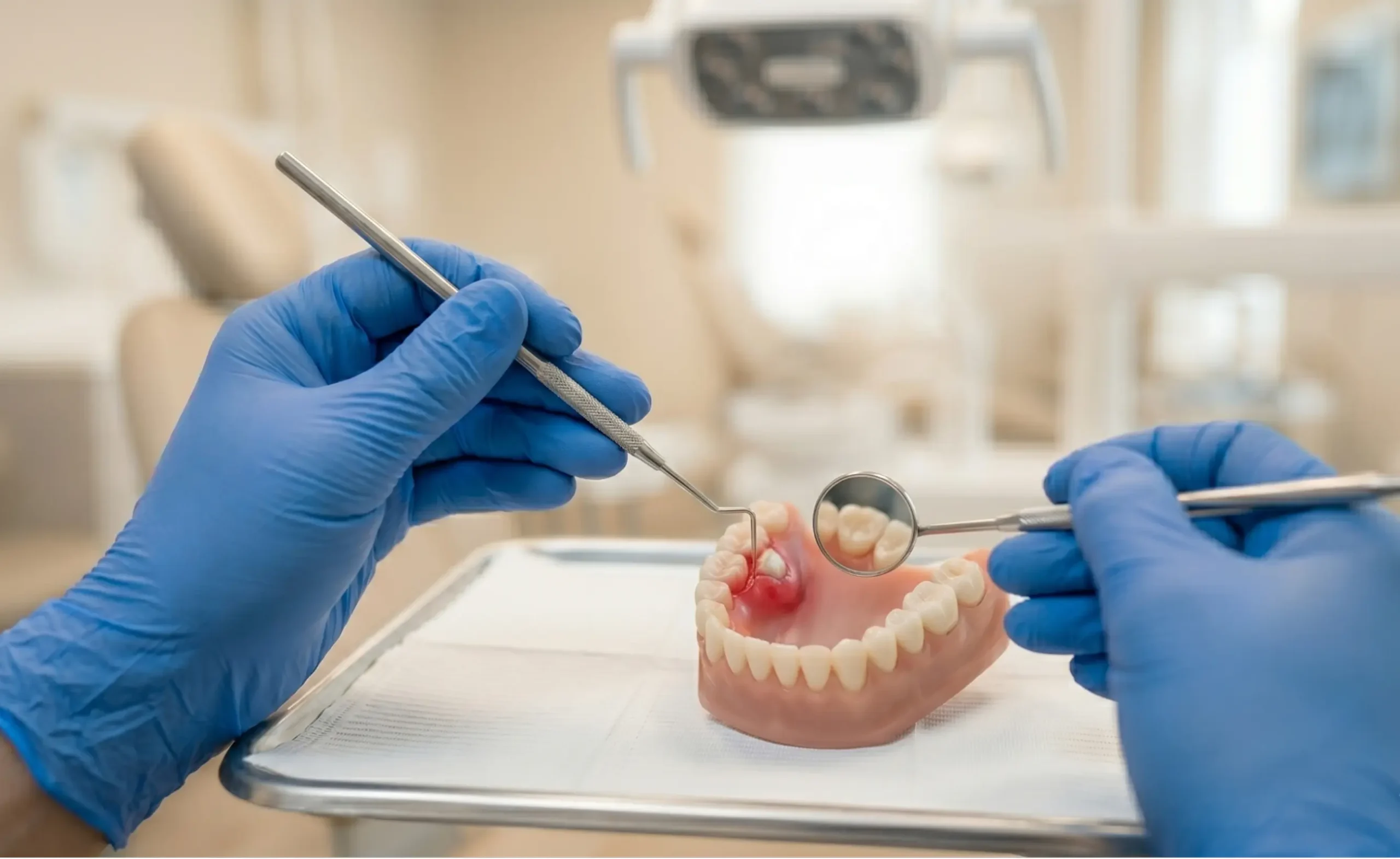
Root canal treatment is a procedure used to remove infected or damaged tissue from inside a tooth. The inner portion of the tooth contains soft tissue known as dental pulp, which includes nerves and blood vessels.
When bacteria reach this area due to decay, cracks, trauma, or other dental problems, infection can develop. Without treatment, the infection may spread and potentially lead to tooth loss.
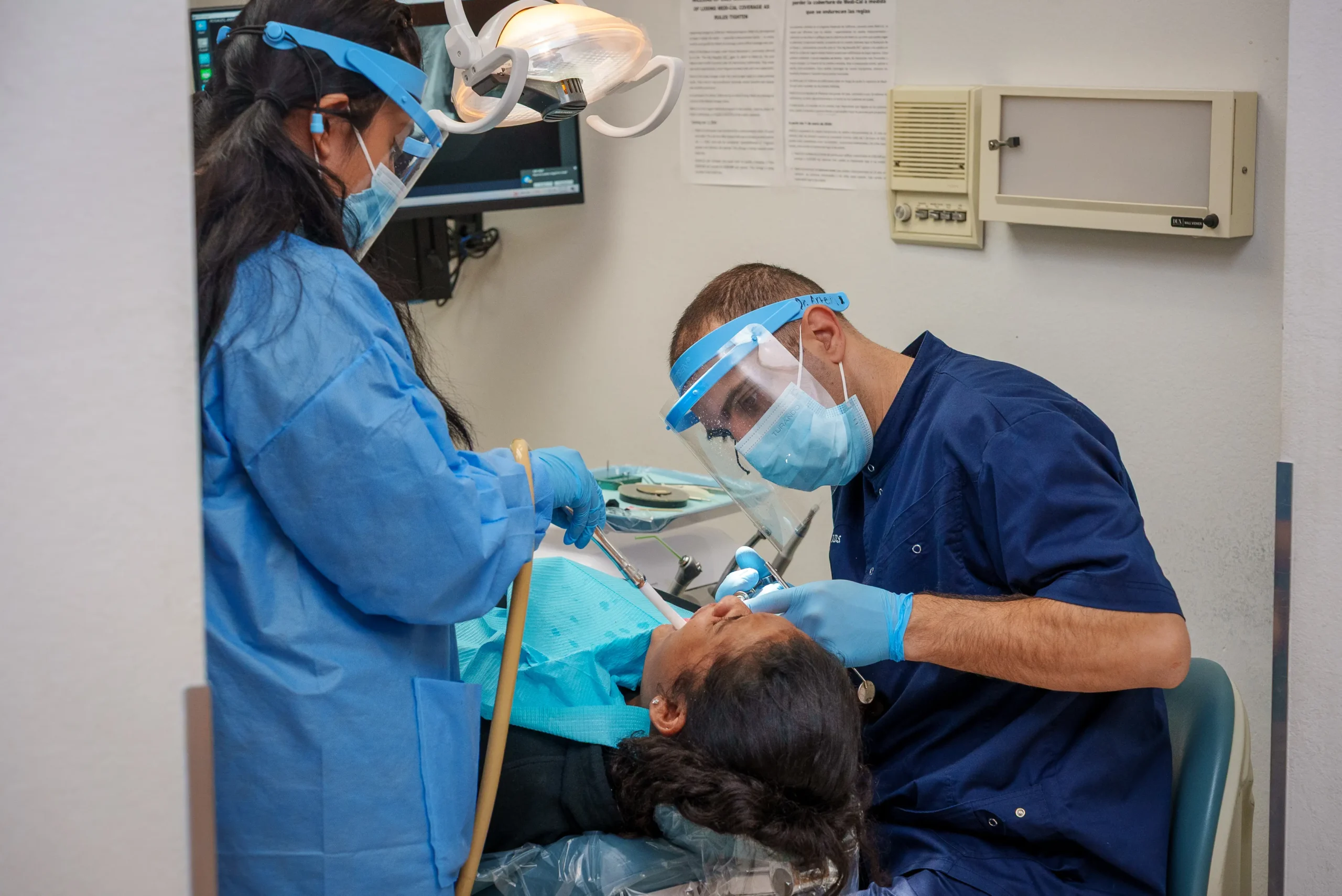
During a root canal procedure, the infected tissue is removed, the inside of the tooth is cleaned and disinfected, and the tooth is sealed to prevent future infection.
To learn more about the comprehensive treatments available for maintaining healthy teeth and gums, explore our Services page.
Why Do People Need Root Canal Treatment?
Many dental infections develop gradually and may not cause noticeable symptoms immediately. Over time, however, untreated damage can reach the inner pulp and create significant problems.
Common causes include:
- Deep tooth decay
- Cracked or fractured teeth
- Repeated dental procedures
- Severe dental trauma
- Untreated cavities
- Advanced gum disease
Seeking treatment early often improves outcomes and helps preserve the natural tooth.
Warning Sign #1: Persistent Tooth Pain
One of the most common indicators of an infected tooth is persistent pain.
Unlike temporary sensitivity, root canal-related pain often:
- Lasts for extended periods
- Returns repeatedly
- Worsens when chewing
- Occurs without an obvious cause
- Interferes with daily activities
Pain may be constant or intermittent, but ongoing discomfort should never be ignored.
Warning Sign #2: Sensitivity to Hot and Cold
Many people experience occasional sensitivity when consuming hot coffee or cold beverages. However, prolonged sensitivity that lingers after the temperature stimulus is removed may indicate pulp damage.
Signs to watch for include:
- Sharp pain after eating hot foods
- Sensitivity to cold drinks
- Lingering discomfort
- Increased sensitivity over time
These symptoms can suggest that the tooth’s inner tissues have become inflamed or infected.
Warning Sign #3: Swollen or Tender Gums
Infection inside a tooth can sometimes spread to surrounding tissues.
Symptoms may include:
- Swollen gums
- Tenderness near the affected tooth
- Localized inflammation
- Gum irritation
- Small pimple-like bumps on the gums
Any unexplained swelling should be evaluated promptly by a dental professional.
Many patients find helpful information about common dental symptoms and treatment recommendations by visiting our FAQ page before scheduling an appointment.
Warning Sign #4: Pain When Chewing
An infected tooth may become especially sensitive when pressure is applied.
You may notice discomfort while:
- Eating meals
- Biting into foods
- Chewing on one side of the mouth
- Applying pressure to the tooth
Pain during chewing often indicates that inflammation has affected the surrounding tissues or tooth structure.
Warning Sign #5: Tooth Discoloration
A tooth that suddenly appears darker than surrounding teeth may signal internal damage.
Discoloration can occur when:
- Blood flow to the tooth becomes compromised
- Trauma damages internal tissues
- Infection develops inside the pulp chamber
While discoloration does not always require root canal treatment, it should be evaluated to determine the underlying cause.
Warning Sign #6: A Cracked or Damaged Tooth
Even a small crack can allow bacteria to enter the inner portions of a tooth.
Common causes include:
- Sports injuries
- Accidents
- Biting hard foods
- Teeth grinding
- Previous dental trauma
If infection develops after damage occurs, root canal therapy may be necessary to save the tooth.
Understanding your treatment options is easier when you have access to educational resources, which is why our Blog regularly shares oral health information for patients and families.
Warning Sign #7: A Dental Abscess
A dental abscess is a serious infection that requires prompt treatment.
Symptoms may include:
- Severe pain
- Swelling
- Fever
- Bad taste in the mouth
- Drainage near the gums
- Facial swelling
Ignoring an abscess can allow infection to spread beyond the tooth, potentially leading to more serious health concerns.
If you suspect an abscess, professional evaluation should be sought immediately.
Can Root Canal Treatment Save a Tooth?
In many cases, yes.
One of the primary goals of root canal treatment is preserving the natural tooth whenever possible.
Benefits of saving a natural tooth include:
- Maintaining proper chewing function
- Preventing shifting teeth
- Preserving natural appearance
- Supporting jawbone health
- Avoiding more extensive treatment
Modern dental techniques make root canal procedures highly successful when performed before infection causes irreversible damage.
What Happens During a Root Canal Procedure?
Many patients feel anxious when they hear the words “root canal,” but the procedure is often comparable to receiving a routine filling.
Treatment typically involves:
- Examining the tooth
- Taking diagnostic images
- Numbing the treatment area
- Removing infected tissue
- Cleaning and disinfecting the root canals
- Sealing the tooth
- Restoring the tooth when necessary
Most patients experience significant relief after treatment because the source of infection has been removed.
Recovery After Root Canal Treatment
Recovery is usually straightforward.
Patients may experience mild sensitivity for a few days, but most return to normal activities quickly.
Helpful recovery tips include:
- Following aftercare instructions
- Avoiding hard foods initially
- Maintaining oral hygiene
- Taking recommended medications if prescribed
- Attending follow-up appointments
Proper care helps support successful healing and long-term results.
Patients interested in maintaining their oral health after treatment can explore our Blog for additional dental care and prevention tips.
How to Reduce the Risk of Future Tooth Infections
While not every dental issue can be prevented, healthy habits significantly lower the risk of infection.
Preventive measures include:
- Brushing twice daily
- Flossing regularly
- Attending routine dental exams
- Treating cavities early
- Wearing protective mouthguards when needed
- Avoiding excessive sugar consumption
Regular dental visits often identify concerns before they progress into serious infections.
Families looking for affordable opportunities to stay on top of preventive care should visit our Our Offers page for current promotions and specials.
Why Early Treatment Matters
Delaying treatment may allow infection to worsen.
Potential consequences include:
- Increased pain
- Tooth loss
- Bone damage
- Gum complications
- More extensive treatment needs
Addressing symptoms early often results in simpler procedures and better long-term outcomes.
If you would like to learn more about our commitment to patient comfort and quality dental care, visit our About Us page to meet our experienced team.
Frequently Asked Questions
Is root canal treatment painful?
Modern root canal treatment is designed to be comfortable. Most patients report that the procedure feels similar to receiving a dental filling.
How long does a root canal take?
The length of treatment depends on the complexity of the case, but many procedures can be completed in one or two visits.
Can a root canal save my tooth?
In many situations, root canal therapy can successfully preserve a natural tooth that would otherwise require extraction.
What happens if I delay treatment?
Delaying treatment may allow infection to spread, increasing the risk of complications and tooth loss.
If you have additional questions or need personalized guidance, our FAQ page and Contact Us page are excellent resources for connecting with our team.
Final Thoughts
Recognizing the warning signs of tooth infection can help you seek treatment before the problem becomes more serious. Persistent pain, swelling, sensitivity, discoloration, and chewing discomfort should never be ignored.
Root canal treatment in Huntington Park offers an effective solution for saving infected teeth while relieving discomfort and protecting your long-term oral health. By addressing symptoms early and maintaining regular dental care, patients can often avoid more complex procedures and enjoy healthier smiles for years to come.