Introduction
Tooth extraction is never the first choice in dentistry, but in some cases it becomes the most effective way to protect overall oral health. At Belgrave Family Dental in Huntington Park, extractions are performed only when a tooth cannot be restored or is causing harm to surrounding teeth and gums.
The goal is always to preserve natural teeth whenever possible, but when removal is necessary, it is done with precision, comfort, and long-term stability in mind.
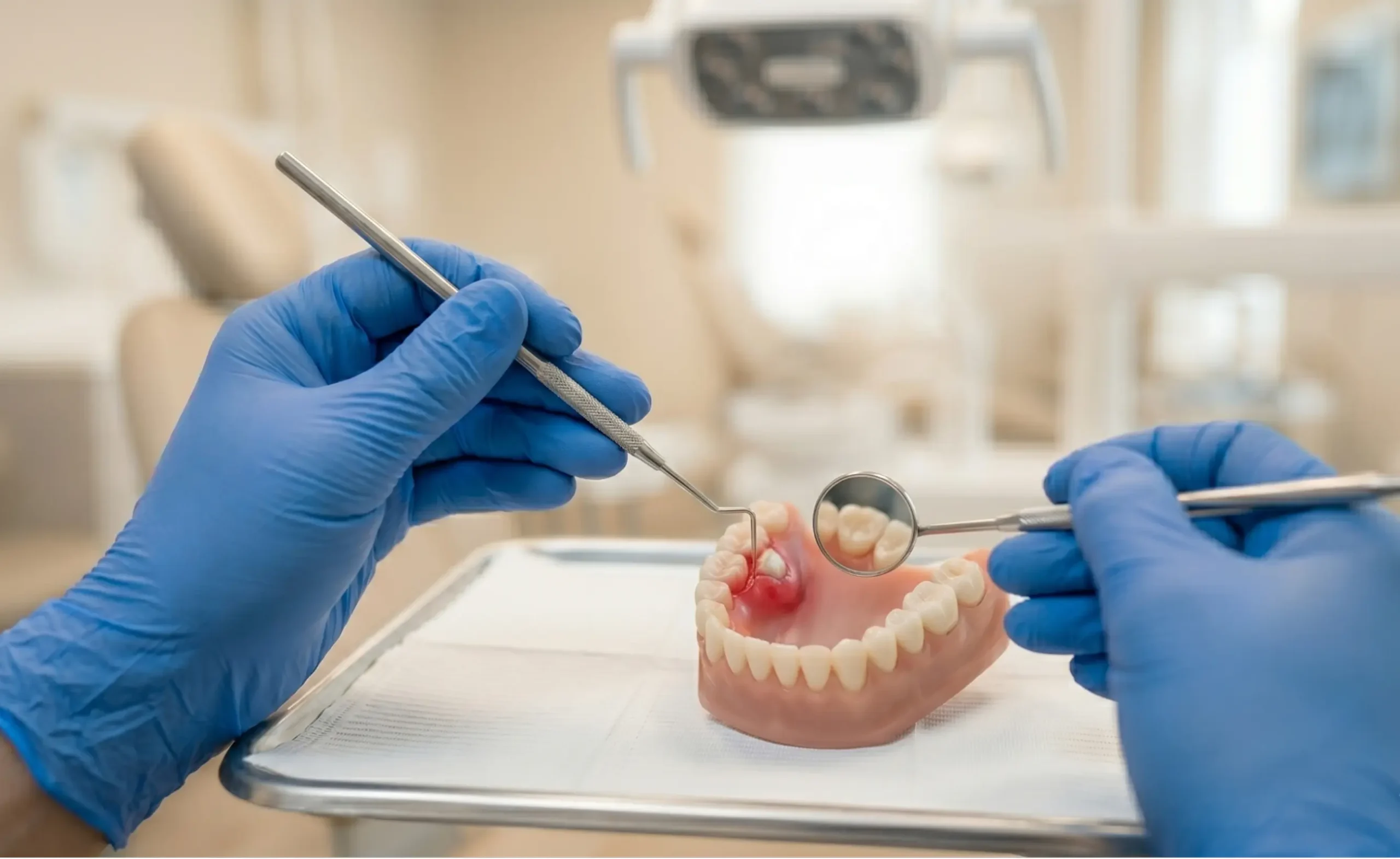
When Is a Tooth Extraction Needed?
A dentist may recommend extraction when a tooth is:
- Severely decayed beyond repair
- Broken below the gumline
- Causing crowding or alignment issues
- Infected and not responsive to treatment
- Loose due to advanced gum disease
In these situations, keeping the tooth may lead to further complications.
Types of Tooth Extractions
There are two main categories:
Simple Extraction
- Used for visible teeth
- Performed with local anaesthetic
- Typically quick and straightforward
Surgical Extraction
- Used for impacted or broken teeth
- May require small incisions
- More complex but routine in dental care
Your dentist will determine the safest approach based on the condition of the tooth.
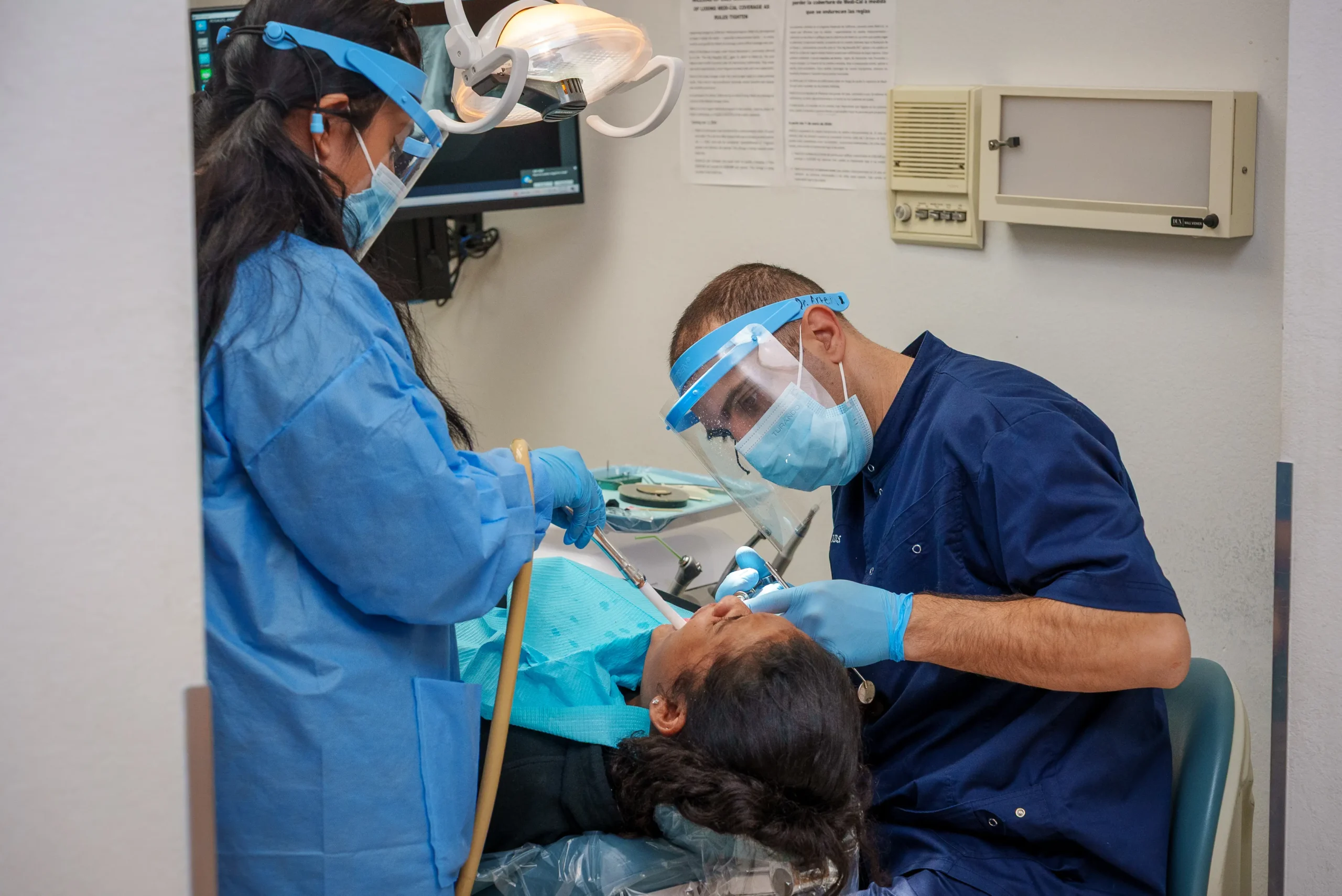
What Happens During the Procedure
A tooth extraction follows a structured process designed for comfort:
- Examination and X-rays if needed
- Local anaesthetic to numb the area
- Gentle loosening of the tooth
- Removal using controlled techniques
- Cleaning and placement of gauze to support healing
Patients typically feel pressure rather than pain during the procedure.
Recovery After a Tooth Extraction
Healing is an important part of the process. Most patients recover within a few days with proper care.
Aftercare includes:
- Avoiding strenuous activity for 24 hours
- Eating soft foods initially
- Keeping the area clean but undisturbed
- Avoiding smoking or straws during early healing
- Following any prescribed instructions
A small blood clot forms in the socket, which is essential for proper healing.
Possible Replacement Options
If needed, missing teeth can be replaced with:
- Dental implants
- Bridges
- Partial dentures
Replacement helps maintain alignment and chewing function.
Benefits of Timely Extraction
Although it may feel like a last resort, extraction can:
- Stop pain and infection
- Prevent spread to other teeth
- Improve overall oral health stability
- Create space for future restorative work
In many cases, it is a preventive step rather than a reactive one.
Internal Links
- Restorative Dentistry
- Emergency Dental Care
Conclusion
Tooth extraction is a carefully considered treatment that helps protect long-term oral health when a tooth cannot be saved. At Belgrave Family Dental in Huntington Park, the focus is always on comfort, safety, and planning for future oral stability – contact our clinic to learn more.