Losing a tooth can be a frustrating and emotional experience. Whether tooth loss occurs because of injury, severe decay, gum disease, or aging, the impact often extends beyond appearance. Missing teeth can affect how you eat, speak, smile, and even how confident you feel in social situations.
Many people assume a missing tooth is primarily a cosmetic issue, but the reality is much more serious. Even a single missing tooth can lead to shifting teeth, bite problems, bone loss, and additional oral health complications over time.
Fortunately, modern dentistry offers several highly effective solutions for replacing missing teeth. Today’s treatments are more comfortable, natural-looking, and durable than ever before. Understanding your available Tooth Replacement Options can help you make an informed decision that supports both your oral health and your long-term quality of life.
Why Replacing Missing Teeth Is Important
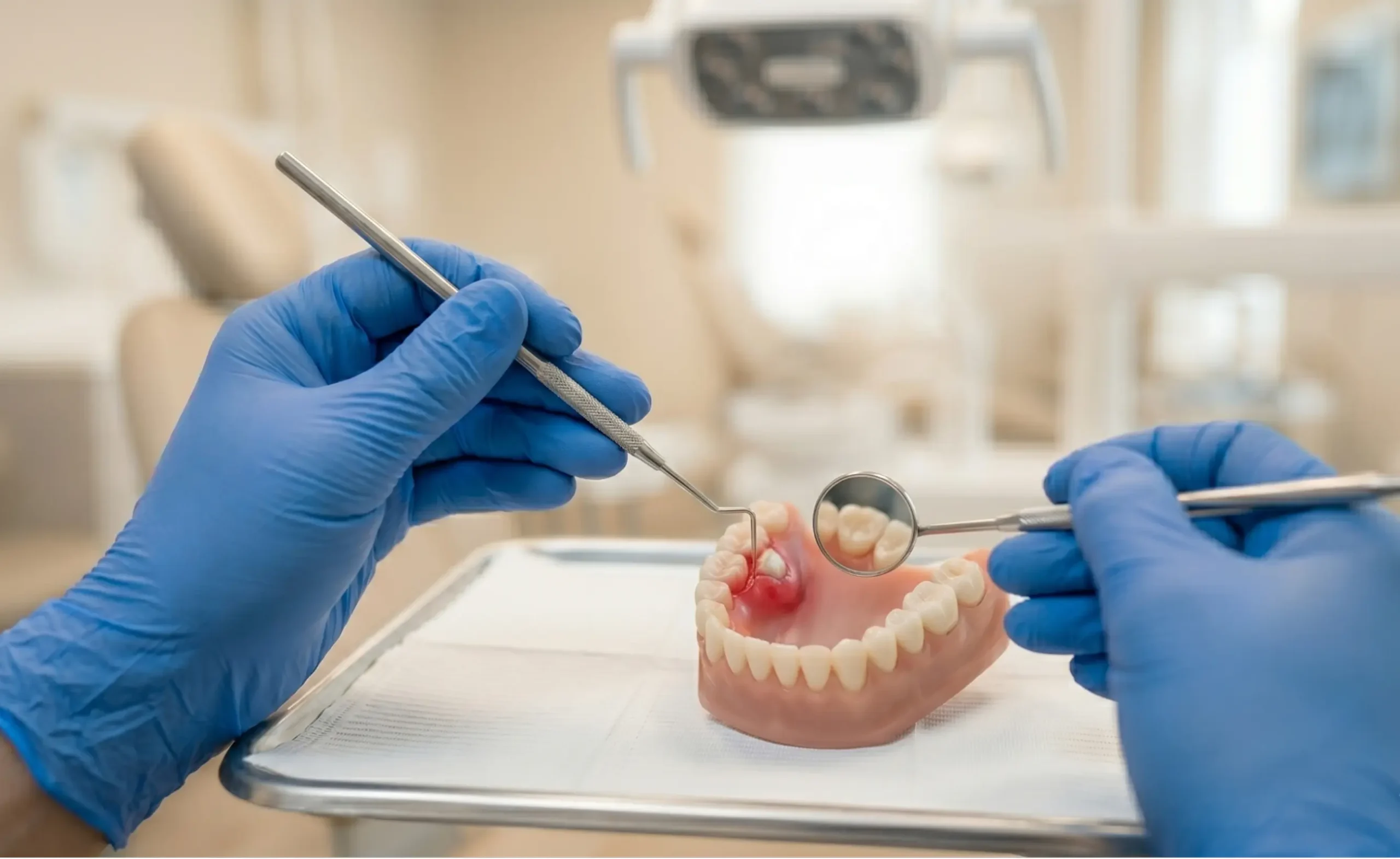
Some patients delay treatment after losing a tooth because they believe the issue is only cosmetic. However, tooth loss can trigger a variety of problems throughout the mouth.
When a tooth is missing, nearby teeth may begin shifting into the empty space. This movement can affect bite alignment and make oral hygiene more difficult.
Untreated tooth loss may also contribute to:
- Difficulty chewing
- Speech changes
- Increased cavity risk
- Gum problems
- Jawbone deterioration
- Facial structure changes
- Additional tooth loss
Replacing missing teeth helps maintain the stability and health of your entire smile.
Patients interested in comprehensive restorative care can learn more about a practice’s philosophy through the About Us page.
Common Causes of Tooth Loss
Understanding why teeth are lost can help patients better protect their oral health moving forward.
Some of the most common causes include:
Severe Tooth Decay
Untreated cavities can eventually damage a tooth beyond repair.
Gum Disease
Advanced periodontal disease is one of the leading causes of tooth loss among adults.
Dental Trauma
Accidents, sports injuries, and falls can result in missing or severely damaged teeth.
Failed Dental Restorations
Older restorations sometimes fail, making extraction necessary.
Chronic Grinding
Excessive grinding can weaken teeth over time.
Regardless of the cause, prompt replacement is often recommended to preserve oral function and appearance.
What Happens If You Don’t Replace a Missing Tooth?
Many patients are surprised by how quickly changes can occur after tooth loss.
Potential consequences include:
Bone Loss
The jawbone depends on stimulation from tooth roots.
Without stimulation, the bone may gradually shrink.
Shifting Teeth
Neighboring teeth often drift toward the empty space.
Bite Problems
Changes in tooth positioning can affect chewing and jaw function.
Increased Wear
Remaining teeth may experience greater pressure during chewing.
Cosmetic Changes
Multiple missing teeth can alter facial appearance and contribute to a prematurely aged look.
Replacing missing teeth helps minimize these risks and preserve long-term oral health.
Option #1: Dental Implants
Dental implants are widely considered one of the most advanced tooth replacement solutions available today.
An implant consists of:
- A titanium post placed in the jawbone
- A connector component
- A custom dental crown
The implant functions similarly to a natural tooth root, providing stability and support.
Benefits of Dental Implants
Dental implants offer several advantages:
- Natural appearance
- Long-term durability
- Excellent stability
- Bone preservation
- Improved chewing ability
- Easy maintenance
Many patients find implants to be the closest replacement to natural teeth.
Ideal Candidates for Implants
Patients generally need:
- Healthy gums
- Adequate bone support
- Good overall health
- Commitment to oral hygiene
A professional evaluation determines whether implants are appropriate for each individual case.
Option #2: Dental Bridges
A dental bridge replaces one or more missing teeth by anchoring an artificial tooth between neighboring teeth.
The adjacent teeth are prepared to support crowns that hold the bridge in place.
Benefits of Dental Bridges
Advantages include:
- Natural appearance
- Fixed solution
- Faster treatment than implants
- Improved chewing ability
- Restored smile aesthetics
Bridges have successfully restored missing teeth for many years and remain a popular treatment option.
Considerations
Because bridges rely on neighboring teeth for support, those teeth may require modification.
Your dentist can determine whether a bridge is the most appropriate solution based on your specific needs.
Information about restorative procedures can often be found within the Services section.
Option #3: Partial Dentures
Partial dentures are removable appliances designed to replace several missing teeth.
They are typically recommended when healthy natural teeth remain in the mouth.
Benefits of Partial Dentures
Partial dentures offer:
- Cost-effective treatment
- Non-surgical placement
- Improved appearance
- Better chewing function
Modern partial dentures are more comfortable and natural-looking than many people expect.
Who May Benefit?
Patients missing multiple teeth who are not ideal implant candidates often benefit from partial dentures.
Option #4: Full Dentures
Full dentures replace all teeth in the upper arch, lower arch, or both.
They are commonly recommended for patients who have experienced extensive tooth loss.
Benefits of Full Dentures
Advantages include:
- Complete smile restoration
- Improved facial support
- Enhanced speaking ability
- Better chewing function
- Cost-effective full-arch replacement
Today’s dentures are designed with improved materials and aesthetics to provide a more natural appearance.
Option #5: Implant-Supported Dentures
Implant-supported dentures combine the benefits of implants and dentures.
Instead of resting solely on the gums, dentures attach to strategically placed implants.
Benefits Include:
- Improved stability
- Better chewing ability
- Reduced movement
- Increased comfort
- Bone preservation
Many patients prefer implant-supported dentures because they feel more secure during daily activities.
Comparing Tooth Replacement Options
Each treatment offers unique advantages.
Dental Implants
Best for:
- Single missing teeth
- Long-term durability
- Bone preservation
Bridges
Best for:
- One or several adjacent missing teeth
- Patients seeking fixed solutions
Partial Dentures
Best for:
- Multiple missing teeth
- Budget-conscious patients
Full Dentures
Best for:
- Complete tooth loss
Implant-Supported Dentures
Best for:
- Greater stability
- Enhanced function
A consultation helps determine which option aligns best with your goals and oral health condition.
Factors to Consider When Choosing a Tooth Replacement Option
Several factors influence treatment recommendations.
Oral Health
Healthy gums and bone support affect treatment eligibility.
Budget
Different solutions vary in cost and long-term value.
Lifestyle
Daily habits and personal preferences matter.
Treatment Timeline
Some treatments require multiple appointments over several months.
Long-Term Goals
Patients should consider durability, maintenance, and future oral health needs.
A personalized treatment plan ensures the chosen solution fits both current and future goals.
How Tooth Replacement Improves Quality of Life
Replacing missing teeth often has a significant impact on daily life.
Benefits may include:
Improved Confidence
Many patients feel more comfortable smiling and speaking.
Better Nutrition
Restored chewing ability supports healthier food choices.
Enhanced Speech
Certain missing teeth can affect pronunciation.
Greater Comfort
Proper tooth replacement improves oral function and stability.
Better Oral Health
Replacing missing teeth helps prevent shifting and other complications.
The emotional and functional benefits often extend far beyond aesthetics.
Caring for Replacement Teeth
Proper maintenance helps maximize the lifespan of restorative treatments.
Important habits include:
- Brushing twice daily
- Flossing regularly
- Attending routine dental visits
- Avoiding tobacco products
- Following professional recommendations
Consistent care supports both replacement teeth and surrounding oral structures.
Patients can find additional oral health guidance through educational resources in the Blog.
Frequently Asked Questions About Tooth Replacement
Many patients have concerns before starting treatment.
Common questions include:
- Which option looks most natural?
- How long does treatment take?
- Is treatment painful?
- How long will the replacement last?
- What maintenance is required?
The FAQ section often provides answers to many of these common concerns.
Making Tooth Replacement Affordable
Some patients postpone treatment because of financial concerns.
However, delaying replacement often leads to additional complications and higher treatment costs later.
Many practices offer:
- Flexible financing
- Payment plans
- Special promotions
- New patient opportunities
Patients may find helpful savings opportunities through Our Offers.
Restore Your Smile and Protect Your Oral Health
Modern Tooth Replacement Options make it possible to restore both the appearance and function of your smile. Whether you’re missing one tooth or several, solutions such as dental implants, bridges, dentures, and implant-supported restorations can help you regain confidence and maintain better oral health.
The right treatment depends on your individual needs, lifestyle, budget, and long-term goals. A professional evaluation can help determine the most effective solution for achieving a healthy, comfortable, and natural-looking smile.
If you’re exploring options for replacing missing teeth, visit the Home page to learn more about available restorative services. When you’re ready to discuss your treatment choices and create a personalized plan, head to Contact Us and schedule a consultation with a trusted dental professional committed to helping you smile confidently again.